

Kedarnath Height From Sea Level
Kedarnath Height From Sea Level – Kedarnath, one of the holiest shrines in India and a major part of the Char Dham Yatra, is located in the Rudraprayag district of Uttarakhand. Nestled amidst the snow-covered Himalayan ranges, Kedarnath is known not only for its spiritual significance but also for its challenging high-altitude terrain. This makes the understanding of Kedarnath height from sea level extremely important for all pilgrims and travelers.
The Kedarnath height from sea level is approximately 3,583 meters (11,755 feet). At this elevation, the weather remains cold throughout most of the year, with oxygen levels lower than plains. Its altitude plays a major role in shaping the climate, the difficulty of the trek, and the overall pilgrimage experience.
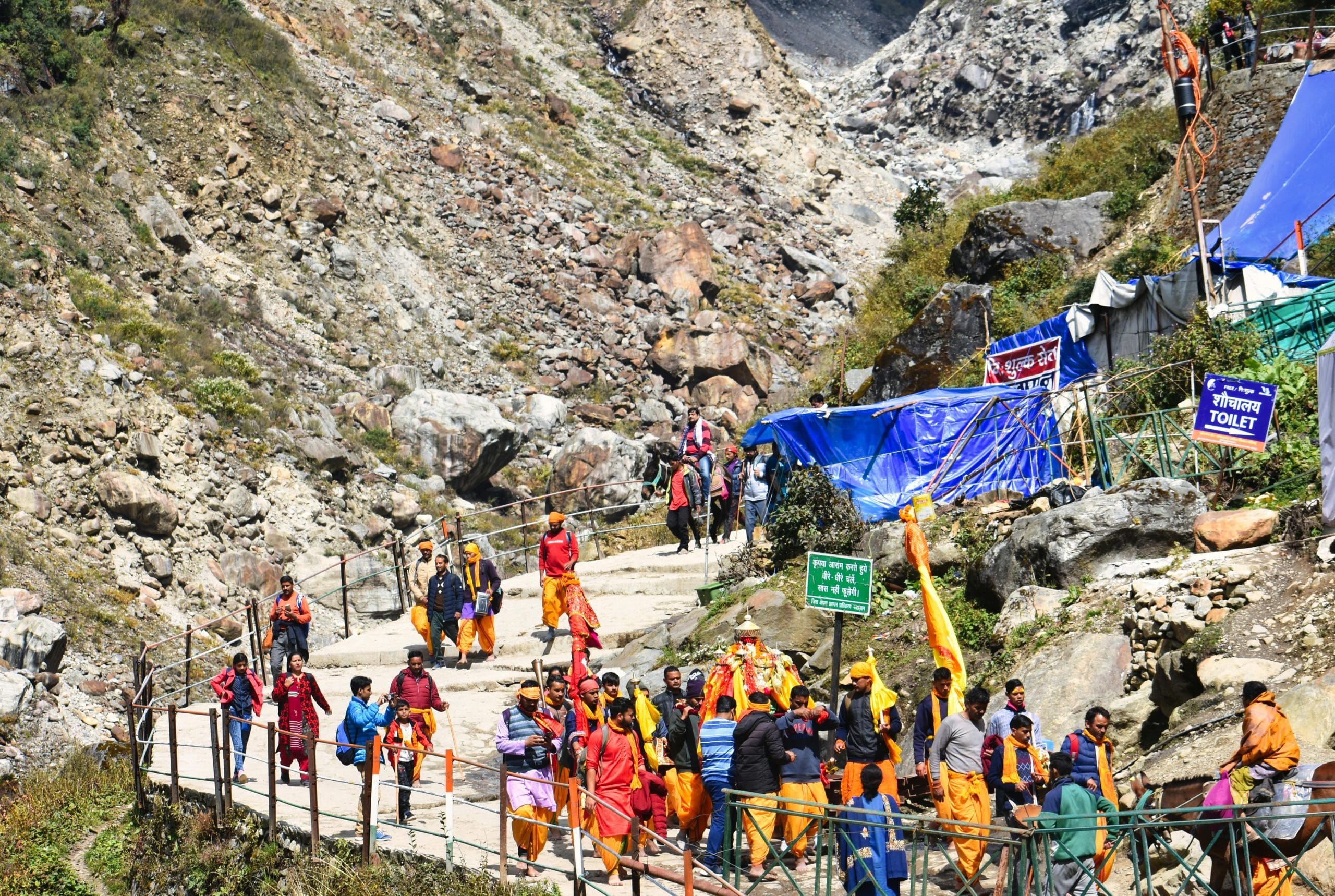
⭐ Why Kedarnath’s Altitude Is Important
The high altitude impacts the pilgrimage in several ways. Understanding this helps travelers prepare better:
1. Weather & Temperature
Kedarnath experiences very cold weather due to its altitude of over 3,500 meters.
-
Summer (May–June): 2°C – 18°C
-
Winter: Below freezing, often -10°C to -20°C
Heavy snowfall forces the temple to remain closed for nearly six months.
2. Low Oxygen Levels
The oxygen percentage is lower at high altitudes. Some people may experience:
-
Shortness of breath
-
Fatigue
-
Headache
-
Mild dizziness
Acclimatization and hydration are key to overcoming altitude-related discomfort.
3. Difficulty of the Trek
The famous Kedarnath trek is 16–18 km long (depending on the route), made harder due to steep inclines and high elevation.
Table: Key Elevation Details of Kedarnath
| Category | Details |
|---|---|
| Kedarnath Height From Sea Level | 3,583 meters (11,755 feet) |
| Location | Uttarakhand, Garhwal Himalayas |
| Peak Nearby | Kedarnath Peak (6,940 meters) |
| Temple Opening Period | April/May to October/November |
| Temperature (Summer) | 2°C – 18°C |
| Temperature (Winter) | -10°C to -20°C |
| Snowfall | Heavy (temple closed due to snow) |
| Best Time to Visit | May–June and September–October |
| Accessibility | Trek, helicopter, pony services |
This table provides an easy reference to Kedarnath’s altitude-related facts.
Climate of Kedarnath Based on Its Elevation
Due to its Himalayan position and extreme height, Kedarnath has a unique climate:
🌤 Summer (May–June)
-
The most suitable time for pilgrims
-
Cold mornings and evenings
-
Ideal for trekking
🌧 Monsoon (July–September)
-
Heavy rainfall
-
Frequent landslides
-
Temple often remains closed due to risk
❄ Winter (October–April)
-
Extreme cold
-
Heavy snowfall
-
Idol is shifted to Ukhimath for worship
-
Kedarnath becomes inaccessible
How Kedarnath’s Altitude Affects the Pilgrimage
1. Trekking Challenges
The long trek uphill is physically demanding because of steep climbs and thin air. Proper breaks, slow pace, and hydration are advised.
2. Helicopter Options
Because of the high altitude and difficulty, many pilgrims opt for helicopter services from:
-
Phata
-
Guptkashi
-
Sitapur
-
Sonprayag
3. Accommodation
Most lodges operate only during the temple open season. Nights are colder due to elevation, even in summer.
4. Medical Support
At such altitude, medical assistance is available at checkpoints, but travelers with heart or respiratory issues must consult a doctor before visiting.
Comparison: Kedarnath vs Popular Pilgrimage Destinations (Elevation)
| Destination | Height From Sea Level |
|---|---|
| Kedarnath | 3,583 m |
| Badrinath | 3,133 m |
| Yamunotri | 3,293 m |
| Gangotri | 3,415 m |
| Vaishno Devi | 1,585 m |
| Amarnath Cave | 3,888 m |
Kedarnath stands among the highest-altitude religious destinations in India.
Travel Tips for Kedarnath Based on Its Height
✔ Start early to avoid cold winds in the evening
✔ Carry warm clothes even during summer
✔ Stay hydrated to combat low oxygen levels
✔ Wear good trekking shoes for grip on rocky terrain
✔ Carry glucose packets or ORS
✔ Avoid rushing the trek—take slow, steady steps
✔ Check weather conditions before starting
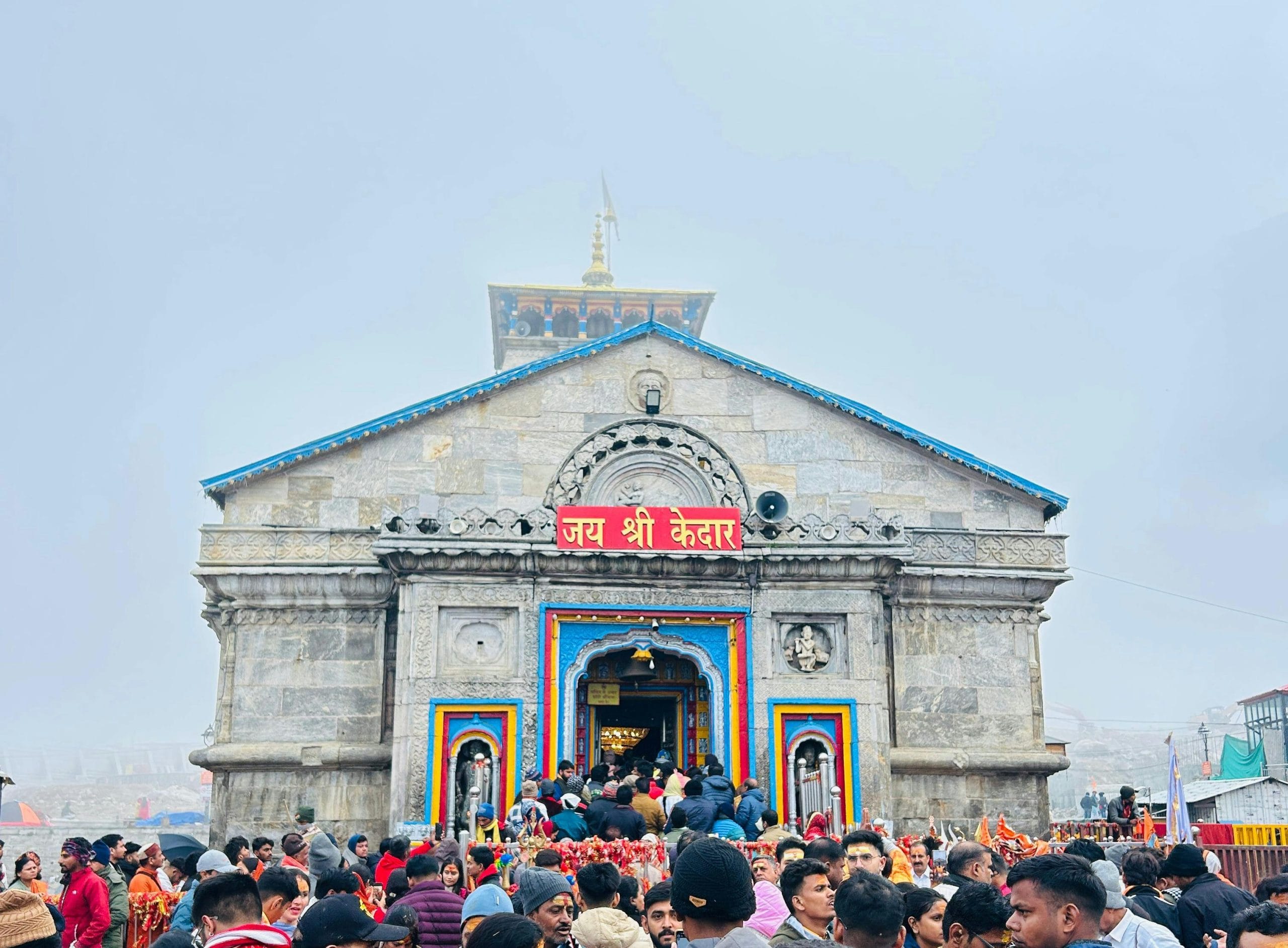
Best Places to Visit in Kedarnath Region
The altitude adds to the charm of the surrounding attractions:
1. Bhairavnath Temple
Located at an even higher point, offering breathtaking views.
2. Gandhi Sarovar
A glacial lake perfect for trekkers.
3. Vasuki Tal
A beautiful lake at an altitude of around 4,135 meters.
4. Kedarnath Wildlife Sanctuary
Home to Himalayan animals like snow leopards and musk deer.
5. Sonprayag
The last point accessible by vehicles, located at a lower height.
Health Precautions for High Altitude Travel
Due to Kedarnath’s significant elevation, consider these safety steps:
-
Avoid alcohol and smoking
-
Maintain steady breathing
-
Keep emergency medicines
-
Ensure physical fitness before the trek
-
Avoid overcrowding and fatigue
If you’re planning to explore travel destinations, hill stations, or pilgrimage spots like Kedarnath, TopChandigarh.com is a helpful blog offering detailed information about places across North India. From nearby attractions and climate details to travel tips and destination comparisons, TopChandigarh.com provides well-researched guides that make trip planning easier. It’s an excellent resource for discovering nearby tourist spots, understanding local geography, and preparing for your journey with confidence.