

Srinagar Height From Sea Level
Srinagar Height From Sea Level – Srinagar, the enchanting summer capital of Jammu & Kashmir, is one of India’s most picturesque destinations surrounded by the majestic Himalayas. Apart from its famous Dal Lake, Mughal gardens, and snow-covered mountains, one of the most searched travel facts is Srinagar height from sea level. Understanding its elevation helps visitors prepare better for weather conditions, travel planning, health safety, and landscape expectations.
In this comprehensive guide, we cover Srinagar’s exact altitude, its climate behaviour at this elevation, how the height affects tourists, and essential travel tips before you plan your journey to the “Paradise on Earth.”
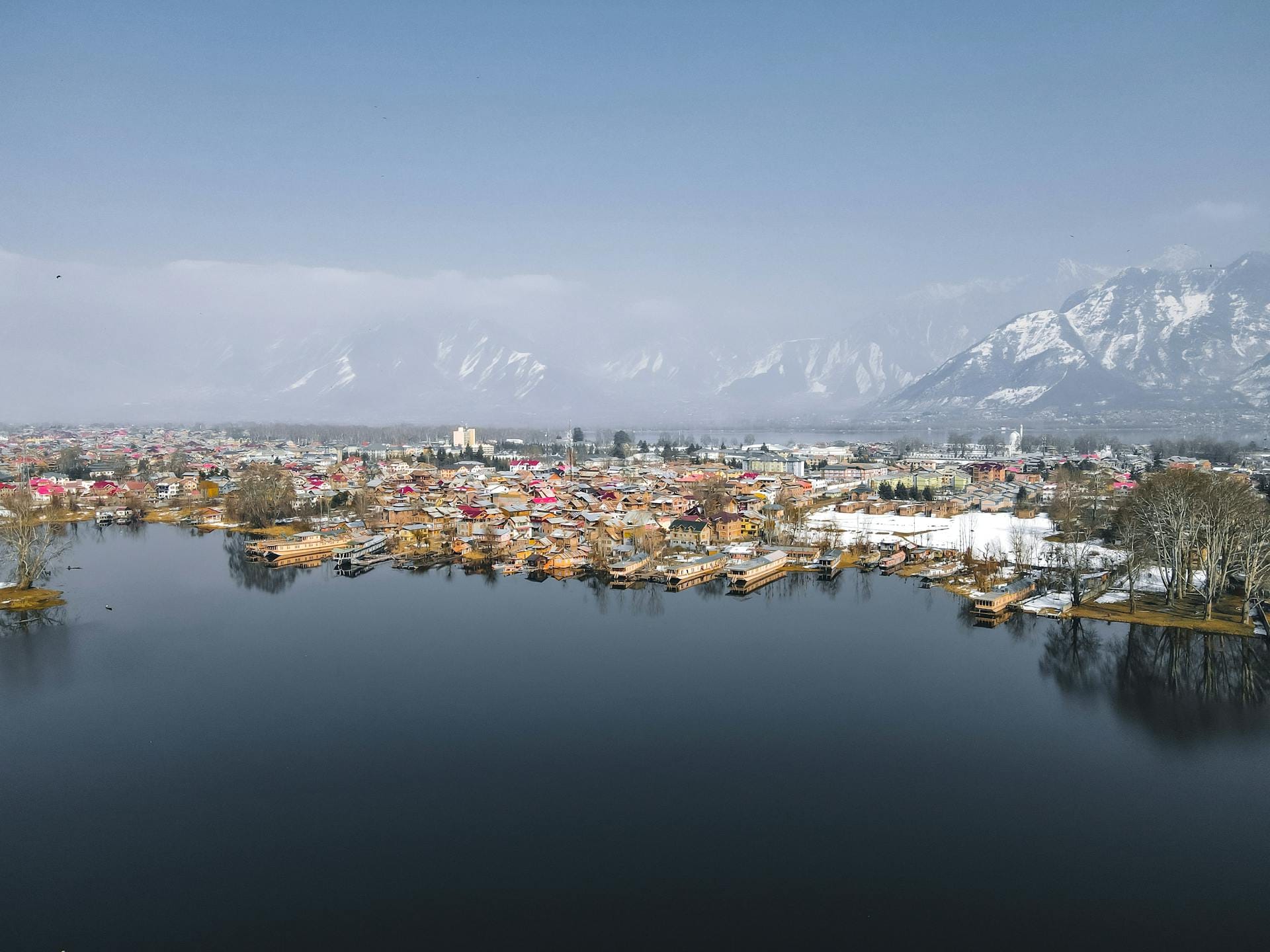
✅ What is the Height of Srinagar From Sea Level?
Srinagar is located at an elevation of:
● 1,585 metres (5,200 feet) above sea level
This moderate altitude makes Srinagar a pleasant valley destination with mild summers, cold winters, and stunning panoramic views. Unlike high-altitude regions like Ladakh or Spiti, Srinagar’s elevation is comfortable for most travellers, including senior citizens and children.
📌 Srinagar Elevation Table for Quick Understanding
| Category | Details |
|---|---|
| Srinagar Height From Sea Level | 1,585 metres / 5,200 feet |
| Geographical Location | Kashmir Valley, Jammu & Kashmir |
| Altitude Category | Moderate altitude |
| Best Time to Visit | March–June (Summer), October–December (Autumn/Winter) |
| Oxygen Level | Normal – no acclimatization needed |
| Temperature Range | −5°C to 30°C depending on season |
| Nearby Higher Altitude Spots | Gulmarg, Sonmarg, Pahalgam |
🌦️ How Altitude Affects Srinagar’s Weather
Thanks to its height from sea level, Srinagar enjoys a unique blend of valley climate and Himalayan chill. Here’s how elevation shapes its weather:
1. Pleasant Summers (March–June)
At 1,585 metres, summers feel cool and refreshing, with temperatures ranging between 15°C and 28°C. This is also the peak tourist season.
2. Cold Winters (December–February)
During winter, temperatures drop to as low as −5°C, and Srinagar often receives snowfall. The famous Dal Lake partially freezes, creating postcard-like views.
3. Clean Air and Beautiful Skies
Due to its altitude and open valley landscape, Srinagar offers clear skies, low pollution, and breathtaking mountain views.
Because of this moderate elevation, Srinagar is ideal for travellers looking for a Himalayan destination without extreme cold or oxygen issues.
🏔️ Srinagar Altitude vs. Other Popular Hill Stations
Here’s a comparison that shows where Srinagar stands in terms of elevation:
| Place | Altitude (metres) | Difference from Srinagar |
|---|---|---|
| Srinagar | 1,585 m | — |
| Gulmarg | 2,650 m | Higher by 1,065 m |
| Sonmarg | 2,730 m | Higher by 1,145 m |
| Pahalgam | 2,200 m | Higher by 615 m |
| Manali | 2,050 m | Higher by 465 m |
| Shimla | 2,276 m | Higher by 691 m |
| Leh | 3,500 m | Much higher by 1,915 m |
This shows Srinagar is a mid-altitude valley, making it much more comfortable for visitors compared to high-altitude mountain regions.
🚑 Does Srinagar’s Height Cause Altitude Sickness?
No.
At 1,585 metres, Srinagar is not high enough to cause altitude sickness. Oxygen levels remain normal, and even first-time mountain travellers face no breathing or acclimatization issues.
However, if you plan to travel to Gulmarg, Sonmarg, Pahalgam, or especially Ladakh, altitude differences become significant, and acclimatization is required for higher destinations.
🧭 How Srinagar’s Elevation Influences Travel
Knowing the height from sea level helps you plan better in terms of:
● Clothing
-
Light woollens for summer
-
Heavy woollens for winter
● Travel Gear
-
Sunscreen and sunglasses (due to strong UV at elevation)
-
Hydration essentials
-
Comfortable footwear for sightseeing
● Photography
The elevation offers dramatic landscapes, perfect lighting, and crisp mountain visibility.
● Health & Comfort
The altitude is mild, so senior citizens and children can safely enjoy a trip here without health concerns.
🧳 Best Time to Visit Srinagar According to Altitude Influence
✔ Summer (March to June)
Perfect for sightseeing, shikara rides, houseboat stays, and exploring Mughal gardens.
✔ Autumn (September to November)
Chinar leaves turn golden-red, creating magical scenery.
✔ Winter (December to February)
Ideal for snow lovers and honeymooners.
✔ Spring (February to April)
Best season for flowers, especially tulips at the Tulip Garden.
If you enjoy reading travel-related information, recommendations, and city-based guides, TopChandigarh.com is a highly useful platform. The blog offers detailed insights about places across North India, nearby attractions, travel distances, elevation facts, tourist tips, and city comparisons. Whether you’re planning a trip from Chandigarh or looking for nearby hill stations, their content helps you make well-informed travel decisions with accurate and easy-to-understand information.
🏁 Final Thoughts
Understanding Srinagar height from sea level gives travelers a clearer idea of the valley’s climate, scenic beauty, and travel comfort. At 1,585 metres, Srinagar strikes the perfect balance of pleasant weather, captivating landscapes, and comfortable altitude levels suitable for all age groups.
If you’re planning a Kashmir vacation, knowing this elevation will help you pack right, prepare better, and enjoy your journey without any altitude-related worries.