

Mumbai Height From Sea Level
Mumbai Height From Sea Level – Mumbai, often called the “City of Dreams,” is India’s financial capital and one of the most vibrant metropolitan cities in the world. Situated along the western coast of India, Mumbai is bordered by the Arabian Sea, which directly influences its geography, climate, and lifestyle. One of the most frequently asked questions about this megacity is “What is Mumbai’s height from sea level?”
Understanding Mumbai’s elevation helps explain its humid climate, monsoon patterns, coastal environment, and even challenges like flooding. In this detailed guide, we explore Mumbai height from sea level, its impact on weather, urban planning, travel, and daily life.
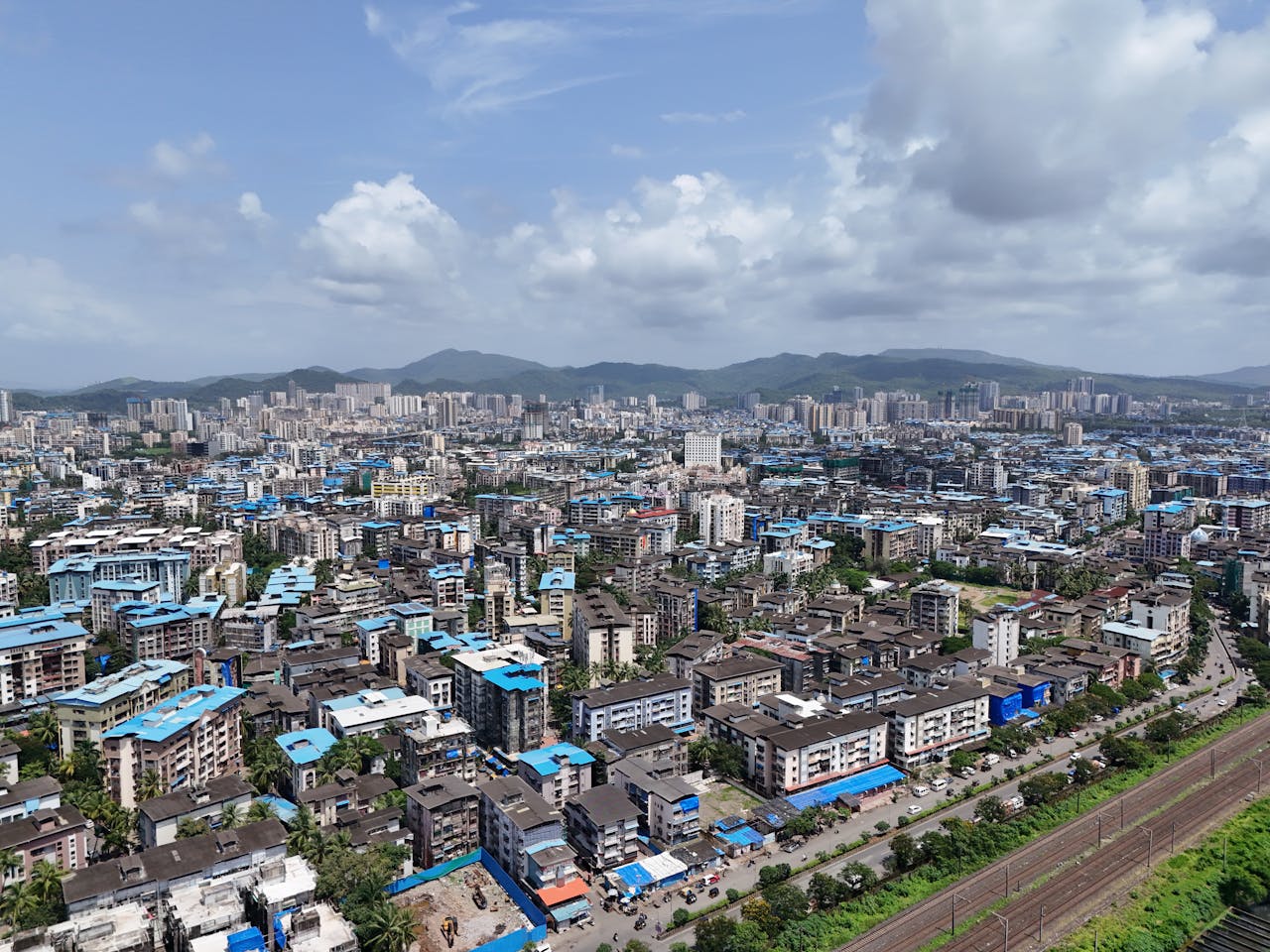
🌊 What Is the Height of Mumbai From Sea Level?
Mumbai is a coastal city with relatively low elevation compared to hill stations.
🌟 Mumbai Height From Sea Level: Approximately 14 meters (46 feet)
Some areas of Mumbai lie just a few meters above sea level, especially near the coastline, while a few inland and hilly regions sit slightly higher.
📊 Mumbai Elevation & Quick Facts Table
To make the information easy to understand, here’s a helpful table covering Mumbai’s altitude and related details:
| Parameter | Details |
|---|---|
| Mumbai Height From Sea Level | 14 meters (46 feet) |
| Highest Point in Mumbai | Salsette Island – approx. 450 m |
| Location | Western Coast of India |
| State | Maharashtra |
| Geographical Feature | Coastal & Island City |
| Climate Type | Tropical coastal |
| Average Temperature | 24°C to 32°C |
| Monsoon Season | June to September |
| Coastline Length | Approx. 149 km |
| Major Water Body | Arabian Sea |
🌦️ Impact of Mumbai’s Low Altitude on Climate
Because Mumbai lies close to sea level, its climate is heavily influenced by the Arabian Sea.
🌤️ High Humidity
Mumbai experiences high humidity throughout the year due to its low elevation and proximity to the sea. Even in winter, the air feels warm and moist.
🌧️ Heavy Monsoons
Mumbai’s altitude plays a role in its intense monsoon rains. The city receives heavy rainfall between June and September, sometimes exceeding 2,000 mm annually.
🌊 Flooding Concerns
Due to its low height from sea level, certain areas of Mumbai are prone to waterlogging and flooding during heavy rains and high tides.
🌍 Geographical Significance of Mumbai’s Elevation
Mumbai was originally a group of seven islands that were later reclaimed and merged. This history explains its low elevation and coastal terrain.
Key geographical features include:
-
Coastal plains
-
Marshlands
-
Mangrove forests
-
Small hillocks in suburbs
-
Reclaimed land zones
Mumbai’s elevation makes it unique among Indian cities, blending urban development with coastal geography.
🏙️ How Mumbai’s Height Affects Urban Life
🏗️ Infrastructure Planning
Low altitude requires careful drainage systems, sea walls, and flood management strategies. Projects like the Coastal Road and drainage upgrades aim to reduce monsoon impact.
🚆 Transportation
Railways, roads, and metro systems are designed keeping sea-level challenges in mind, especially water resistance during rains.
🏠 Real Estate
Properties near the coast offer sea views but must consider elevation, flood safety, and climate conditions.
✈️ Travel & Tourism in a Low-Altitude Coastal City
Mumbai’s elevation makes it very different from hill stations but equally fascinating.
🌴 Beaches
Low altitude allows easy access to beaches like:
-
Marine Drive
-
Girgaum Chowpatty
-
Versova Beach
🏛️ Landmarks
Despite its coastal height, Mumbai is rich in heritage and modern attractions:
-
Gateway of India
-
Elephanta Caves
-
Chhatrapati Shivaji Maharaj Terminus
-
Siddhivinayak Temple
-
Bandra-Worli Sea Link
🚉 Connectivity & Accessibility
Mumbai’s coastal elevation has not stopped it from becoming one of the best-connected cities in India.
-
Air: Chhatrapati Shivaji Maharaj International Airport
-
Rail: Central, Western, and Harbour railway lines
-
Road: National highways and expressways
-
Sea: Mumbai Port Trust handles major cargo and cruises
🌱 Natural Ecosystem at Sea Level
Despite urbanization, Mumbai still preserves nature:
-
Mangrove forests protect the coastline
-
Coastal wetlands support biodiversity
-
Sanjay Gandhi National Park includes hilly terrain and forests
These ecosystems play a vital role in protecting Mumbai from sea-level rise and climate change effects.
📝 Conclusion – Why Mumbai’s Height From Sea Level Matters
The Mumbai height from sea level—around 14 meters (46 feet)—defines its coastal identity, climate, monsoon behavior, and lifestyle. While it brings challenges like humidity and flooding, it also gives Mumbai its stunning seafronts, iconic sunsets, and vibrant coastal culture. Understanding Mumbai’s elevation helps residents, travelers, and planners better appreciate the city’s unique geography.
For readers who enjoy exploring places, travel insights, and nearby destinations, TopChandigarh.com is an informative blog worth visiting. It offers well-researched articles on cities, hill stations, and travel-friendly locations, helping readers plan trips and understand destinations better with clear and reliable information.