

Hyderabad Height From Sea Level
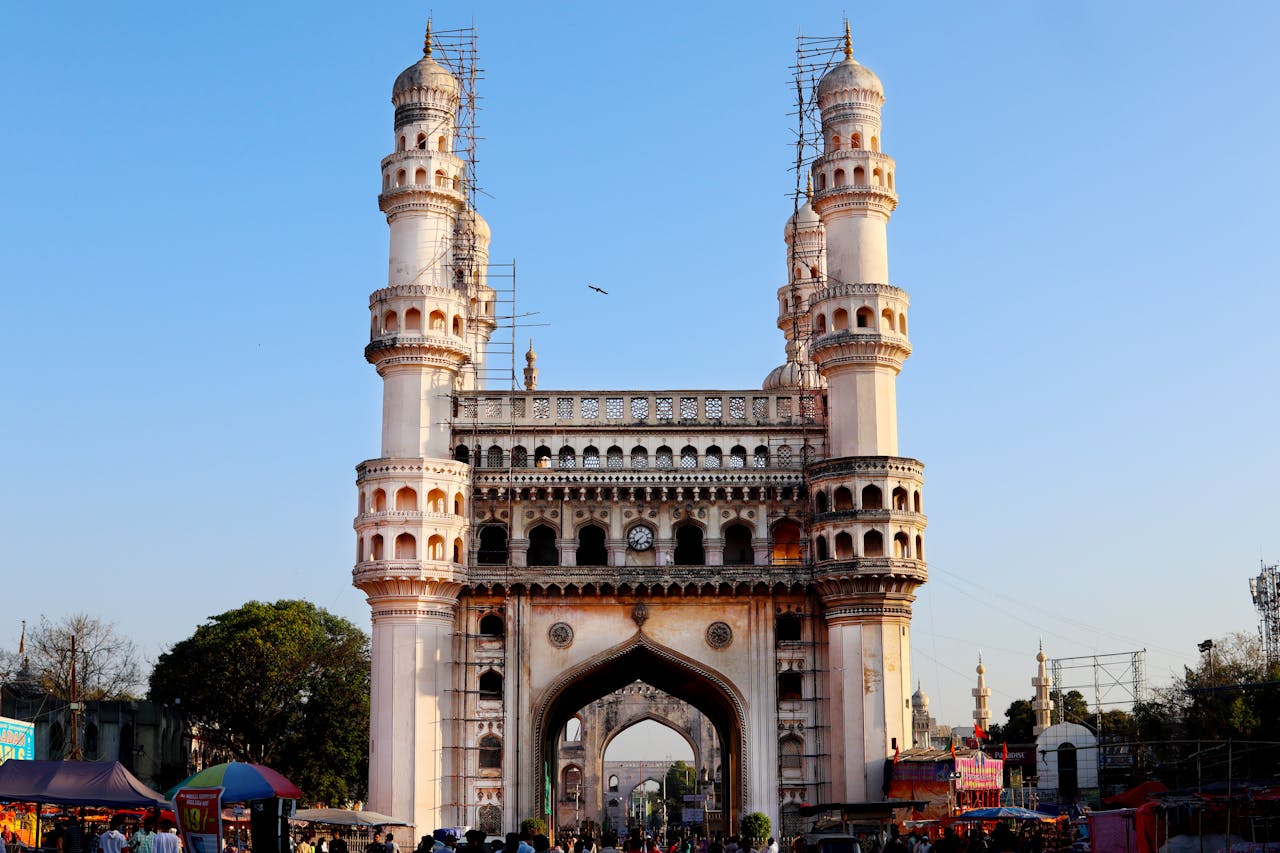
Hyderabad Height From Sea Level – Hyderabad, the capital city of Telangana, is one of India’s most historically rich and economically vibrant metropolitan cities. Famous for landmarks like Charminar, Golconda Fort, Hussain Sagar Lake, and its world-renowned biryani, Hyderabad is also known for its rapidly growing IT and business sectors. Apart from culture and technology, Hyderabad’s geographical location and elevation play a significant role in shaping the city’s climate, infrastructure, and lifestyle.
A commonly asked question by travelers, students, and geography enthusiasts is: “What is Hyderabad’s height from sea level?” Unlike coastal cities that lie close to sea level or hill stations that sit at high altitudes, Hyderabad is located on the Deccan Plateau, giving it a moderate elevation and a distinct climate profile.
This blog explains Hyderabad height from sea level, its impact on weather, health, travel comfort, and surrounding regions in a simple and easy-to-understand way.
🌍 What Is Hyderabad Height From Sea Level?
Hyderabad is positioned on the Deccan Plateau, a vast elevated region covering much of southern India.
⭐ Hyderabad Height From Sea Level: Approximately 542 meters (1,778 feet)
This elevation places Hyderabad well above coastal plains but far below high-altitude hill stations, making it geographically balanced and climatically stable.
📊 Hyderabad Elevation & Geographic Information Table
The table below summarizes Hyderabad’s elevation and related geographic details:
| Parameter | Details |
|---|---|
| Hyderabad Height From Sea Level | 542 meters (1,778 feet) |
| State | Telangana |
| Geographical Region | Deccan Plateau |
| Terrain Type | Rocky plateau with gentle slopes |
| Climate Type | Tropical semi-arid |
| Average Summer Temperature | 28°C – 40°C |
| Average Winter Temperature | 14°C – 28°C |
| Main Rainfall Season | June to September |
| Flood Risk | Low to moderate |
🌡️ How Hyderabad’s Altitude Affects Climate & Weather
Hyderabad’s height from sea level has a strong influence on its climate:
🌞 Summer Climate
Summers in Hyderabad can be hot, but the city experiences dry heat rather than sticky humidity. This is because its elevation allows better air circulation compared to low-lying coastal cities.
🌧️ Monsoon Season
Hyderabad receives rainfall mainly during the Southwest Monsoon. Its plateau terrain supports efficient water drainage, reducing severe flooding in most areas.
❄️ Winter Conditions
Winters are mild and pleasant, with cooler nights. The city’s moderate altitude prevents extreme cold while still offering comfortable temperatures.
🏙️ Why Hyderabad’s Height From Sea Level Is Important
Understanding Hyderabad’s elevation helps in several practical ways:
🏗️ Urban Planning & Infrastructure
The city’s plateau-based terrain is ideal for:
-
Stable building foundations
-
Road and metro rail construction
-
Efficient drainage systems
🌬️ Air Quality & Comfort
Hyderabad’s elevation helps maintain decent air circulation, especially during evenings, improving living comfort compared to densely humid regions.
🏥 Health Perspective
-
No altitude sickness concerns
-
Suitable for elderly people and children
-
Comfortable climate for long-term living
🛣️ Hyderabad Elevation Compared to Other Cities
| City | Height From Sea Level |
|---|---|
| Hyderabad | 542 meters |
| Pune | ~560 meters |
| Bangalore | ~920 meters |
| Chennai | ~6.7 meters |
| Mumbai | ~14 meters |
This comparison shows why Hyderabad offers a balanced climate—cooler than coastal cities but warmer than high-altitude regions.
✈️ Does Hyderabad’s Elevation Affect Travel?
Hyderabad’s moderate height from sea level makes it an easy and comfortable destination:
-
No need for altitude acclimatization
-
Suitable for short and long trips
-
Ideal for business travelers and families
The city’s elevation also supports the smooth operation of Rajiv Gandhi International Airport, one of India’s busiest airports.
🏞️ Tourism & Natural Attractions Influenced by Elevation
Hyderabad’s plateau landscape supports several scenic and cultural attractions:
-
Hussain Sagar Lake
-
Golconda Fort
-
Shamirpet Lake
-
Ananthagiri Hills (nearby weekend getaway)
These places benefit from Hyderabad’s elevated terrain and mild climate.
🌍 Environmental Benefits & Challenges
✅ Benefits of Hyderabad’s Elevation
-
Reduced cyclone impact compared to coastal cities
-
Lower flood vulnerability
-
Stable land for development
⚠️ Challenges
-
Summer heatwaves
-
Water scarcity during dry years
-
Dependence on reservoirs and rainfall
For readers interested in exploring nearby places, city guides, hill stations, and travel destinations across India, TopChandigarh.com is a useful blog that shares informative content on geography, tourism, and travel planning. It helps readers discover locations and understand how geography influences climate and travel experiences.
✅ Final Thoughts
The Hyderabad height from sea level is approximately 542 meters, placing the city on the Deccan Plateau and giving it a unique blend of warm temperatures, dry air, and urban comfort. This elevation plays a vital role in shaping Hyderabad’s climate, infrastructure, travel convenience, and lifestyle. Understanding Hyderabad’s altitude provides deeper insight into why the city remains one of India’s most livable and rapidly growing metropolitan regions.