

Guwahati Height From Sea Level – Elevation, Geography, Climate & City Guide
Guwahati height from sea level is approximately 55 meters (about 180 feet), making it one of the lowest-lying major cities in Northeast India. Situated along the southern bank of the Brahmaputra River, Guwahati is the gateway to the northeastern states and a city where plains, hills, and river systems meet.

Despite its relatively low elevation, Guwahati plays a vital role as Assam’s largest city and the region’s commercial, educational, and cultural hub. In this detailed guide, we explore Guwahati’s exact height from sea level, how elevation affects its climate and geography, and why this low altitude shapes the city’s lifestyle, economy, and environment.
Guwahati Height From Sea Level (Exact Elevation)
The average height of Guwahati from sea level is around 55 meters (≈180 feet).
This elevation:
-
Is much lower than hill stations of Northeast India
-
Places Guwahati firmly within the Brahmaputra river valley
-
Explains the city’s humid climate and monsoon patterns
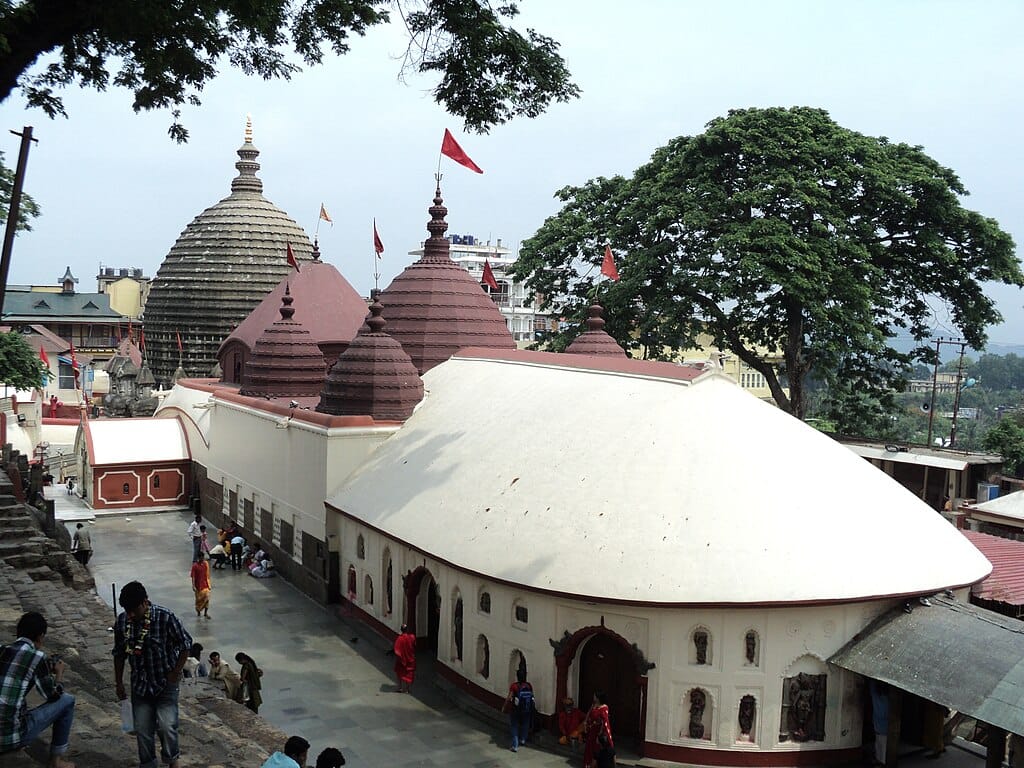
Some hillocks within the city, such as Nilachal Hill (where Kamakhya Temple is located), rise higher than the average city level, but Guwahati as a whole remains a low-altitude urban area.
Where Is Guwahati Located?
Guwahati is located in Assam, in northeastern India, on the south bank of the Brahmaputra River. It lies between the Shillong Plateau to the south and the river plains to the north.
Geographically, Guwahati is unique because:
-
It is surrounded by small hills and hillocks
-
It sits within a wide river valley
-
It connects plains to the hill states of Meghalaya, Arunachal Pradesh, and Nagaland
This location makes Guwahati a natural entry point to Northeast India.
Why Guwahati Height From Sea Level Matters
The height of Guwahati from sea level has a direct impact on:
-
Climate and humidity
-
Flood risk during monsoon
-
River-based economy and transport
-
Urban expansion and drainage systems
At just 55 meters above sea level, Guwahati is heavily influenced by the Brahmaputra River and seasonal rainfall patterns.
Climate of Guwahati Based on Elevation
Because of its low elevation and proximity to a massive river system, Guwahati experiences a humid subtropical climate.
Average Temperature Range
-
Summer (Mar–Jun): 25°C to 35°C
-
Monsoon (Jun–Sep): 24°C to 32°C
-
Winter (Dec–Feb): 10°C to 25°C
Unlike hill towns, Guwahati does not experience cold winters. The low altitude allows warm air to dominate, especially during summer.
Rainfall and Monsoon Impact
Guwahati receives heavy rainfall, mainly due to:
-
Low elevation
-
Moisture-laden monsoon winds
-
River valley geography
Key Rainfall Characteristics
-
Annual rainfall: ~1,700–2,000 mm
-
Peak monsoon months: June to September
-
Frequent waterlogging in low-lying areas
The city’s height from sea level means drainage and flood management are critical urban planning challenges.
Guwahati Elevation and Flood Risk
Because Guwahati is only about 55 meters above sea level, flooding is a major concern during intense monsoon seasons.
Contributing factors:
-
Brahmaputra River swelling
-
Urban encroachment on wetlands
-
Limited natural drainage
However, surrounding hills help channel water flow, and several flood mitigation projects have been introduced to protect the city.
Geography and Landscape at Low Altitude
Despite its low elevation, Guwahati’s geography is visually diverse.

Key Features
-
Broad river plains
-
Isolated hillocks within the city
-
Wetlands such as Deepor Beel (a Ramsar site)
These features exist because Guwahati sits at a transition point between plains and hills, even though its average altitude remains low.
Does Guwahati’s Altitude Affect Health?
At 55 meters above sea level, Guwahati poses no altitude-related health risks.
Unlike high-altitude destinations such as:
-
Auli
-
Chandrashila
-
Kinner Kailash
Guwahati is safe for:
-
Elderly people
-
Children
-
Heart and respiratory patients
However, high humidity can cause discomfort during peak summer and monsoon months.
Guwahati Height From Sea Level Compared to Other Cities
| City | Height From Sea Level |
|---|---|
| Guwahati | ~55 meters |
| Kolkata | ~9 meters |
| Chennai | ~6 meters |
| Patna | ~53 meters |
| Bangalore | ~920 meters |
| Shillong | ~1,525 meters |
This comparison shows Guwahati’s elevation is similar to other river-based cities but much lower than nearby hill towns like Shillong.
Economic Importance of Low Elevation
Guwahati’s low altitude and river proximity support:
-
River transport and trade
-
Fertile floodplain agriculture
-
Easy construction of roads and railways
The Brahmaputra has historically been a lifeline for commerce, enabling Guwahati to develop as a regional economic hub.
Urban Development and Elevation Challenges
Low elevation creates both opportunities and challenges.
Advantages
-
Flat land for expansion
-
Easier transportation infrastructure
-
Lower construction costs
Challenges
-
Flooding during monsoon
-
Drainage issues
-
Wetland preservation concerns
City planners must carefully balance growth with environmental sustainability.
Tourism and Elevation Influence
Guwahati altitude makes it:
-
Hot and humid in summer
-
Pleasant in winter
-
Green and vibrant during monsoon
Popular attractions influenced by geography include:
-
Kamakhya Temple (on Nilachal Hill)
-
Brahmaputra river cruises
-
Deepor Beel Wildlife Sanctuary
The surrounding hills provide viewpoints, while the low-lying plains host urban life.
Transportation and Connectivity
Because of its low elevation, Guwahati enjoys excellent connectivity:
-
Road: National highways connect all Northeast states
-
Rail: Major rail junction
-
Air: Lokpriya Gopinath Bordoloi International Airport
Unlike hill towns, weather disruptions due to altitude are rare.
Living in Guwahati: Is the Elevation Ideal?
Living at 55 meters above sea level, Guwahati offers:
-
Warm climate
-
Rich greenery
-
Strong cultural identity
-
Growing job opportunities
However, residents must adapt to:
-
Monsoon flooding risks
-
High humidity
-
Seasonal waterlogging
Still, Guwahati remains the most important urban center in Northeast India.
Quick Facts: Guwahati Height From Sea Level
-
Average elevation: ~55 meters
-
State: Assam
-
River: Brahmaputra
-
Climate: Humid subtropical
-
Region: Northeast India
Final Thoughts
The **height of Guwahati from sea level—around 55 meters—**defines the city’s character. Its low elevation supports river-based trade, fertile landscapes, and urban expansion, while also creating challenges related to flooding and humidity.
As the gateway to Northeast India, Guwahati’s geography and altitude make it a city shaped by water, plains, and surrounding hills—distinct from both coastal cities and mountain towns.
Coonoor Height From Sea Level – Elevation, Climate, Geography & Travel Guide