

Siliguri Height From Sea Level – Altitude, Climate, Geography & City Profile
Siliguri height from sea level is approximately 122 meters (about 400 feet), making it one of the lowest-elevation major cities in eastern India. Located in the northern part of West Bengal, Siliguri serves as the gateway to Northeast India, Sikkim, Bhutan, and Darjeeling. Its low altitude strongly influences its climate, vegetation, economy, and strategic importance.
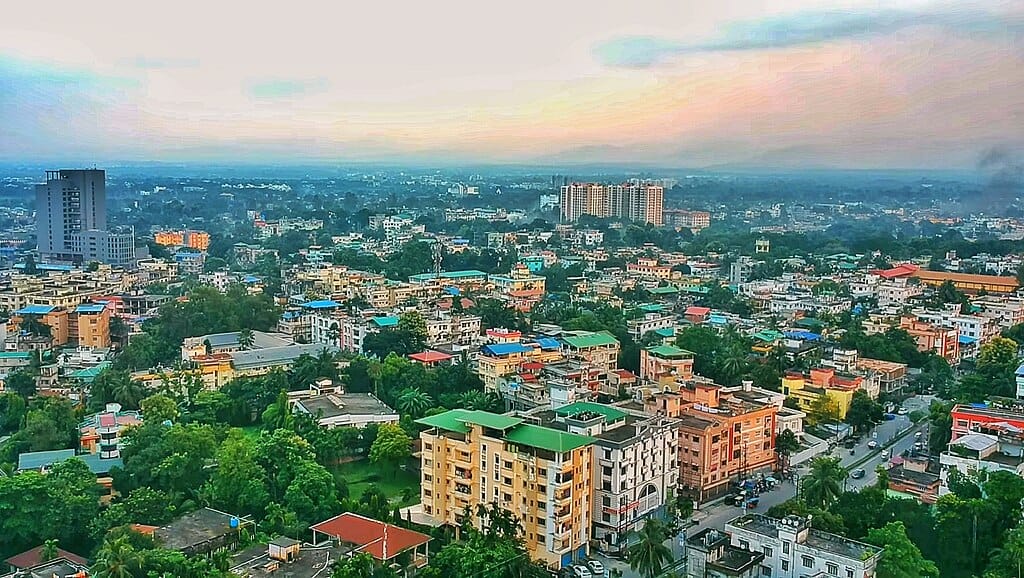
Unlike hill stations such as Darjeeling or Gangtok, Siliguri lies in the foothills of the Himalayas, where plains meet mountains. This unique geographical position makes Siliguri a vital commercial, transportation, and tourism hub.
In this article, we explore Siliguri’s exact height from sea level, how elevation shapes its weather and lifestyle, and why this city plays a critical role in India’s eastern corridor.
Siliguri Height From Sea Level (Exact Elevation)
The average height of Siliguri from sea level is around 122 meters (≈400 feet).
This elevation places Siliguri:
-
In the Terai plains region
-
Much lower than nearby hill destinations
-
Within a humid subtropical climatic zone
Because of its low altitude, Siliguri experiences warmer temperatures, higher humidity, and heavy monsoon rainfall compared to nearby Himalayan towns.
Geographical Location of Siliguri
Siliguri is located in:
-
Northern West Bengal
-
At the base of the Eastern Himalayas
-
Along the Mahananda River basin
The city is part of the famous “Chicken’s Neck” or Siliguri Corridor, a narrow stretch of land connecting mainland India to the northeastern states.
Its low elevation and flat terrain make Siliguri ideal for:
-
Road and railway networks
-
Trade and logistics
-
Urban expansion
Why Siliguri Height From Sea Level Matters
The height of Siliguri from sea level directly impacts:
-
Hot and humid summers
-
Heavy monsoon rainfall
-
Rich alluvial soil
-
Dense population growth
-
Flood susceptibility in low-lying areas
At just 122 meters, Siliguri behaves climatically like a plains city rather than a hill town.
Climate of Siliguri Based on Altitude
Because of its low elevation, Siliguri has a humid subtropical climate.
Average Temperature Range
-
Summer (Mar–Jun): 25°C to 38°C
-
Monsoon (Jun–Sep): 24°C to 32°C
-
Winter (Dec–Feb): 10°C to 25°C
Humidity remains high for most of the year, especially during the monsoon season.
Rainfall and Flood Risk at Low Elevation
Siliguri receives heavy annual rainfall, largely due to:
-
Proximity to the Himalayas
-
Moisture-laden monsoon winds
-
Low elevation terrain
Key Points
-
Annual rainfall often exceeds 3,000 mm
-
Low-lying areas are prone to waterlogging
-
Rivers like Mahananda and Teesta influence drainage
The city’s height from sea level makes efficient drainage and urban planning essential.
Siliguri Elevation Compared to Nearby Places
| Location | Height From Sea Level |
|---|---|
| Siliguri | ~122 meters |
| Jalpaiguri | ~75 meters |
| Darjeeling | ~2,045 meters |
| Gangtok | ~1,650 meters |
| Kalimpong | ~1,250 meters |
This sharp altitude difference explains why travelers experience a dramatic climate change when moving from Siliguri to nearby hill stations.
Does Siliguri Experience Snowfall?
Due to its very low altitude, Siliguri does not receive snowfall.
However:
-
Snowfall occurs in nearby Himalayan regions
-
Winter temperatures remain mild
-
Fog may occur in early mornings
Siliguri often serves as the base city for tourists heading to snowy destinations.
Vegetation and Ecology at Low Elevation
Siliguri height supports:
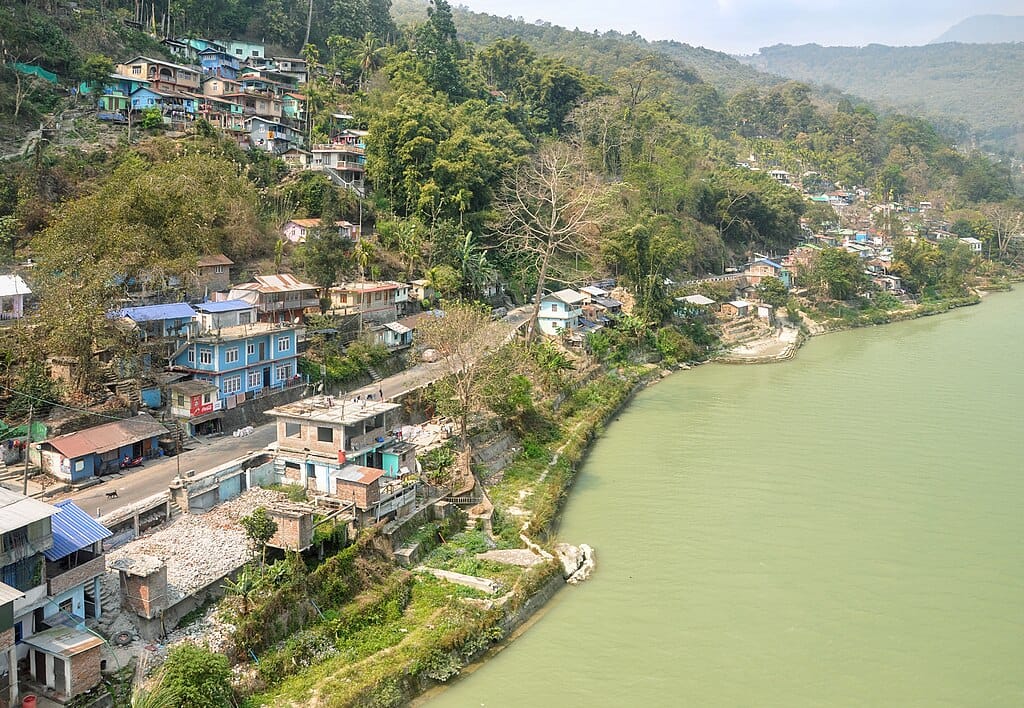
-
Tropical and subtropical vegetation
-
Tea gardens
-
Riverine forests
Common Vegetation
-
Bamboo groves
-
Sal trees
-
Grasslands
The fertile plains around Siliguri are ideal for agriculture and tea cultivation.
Urban Development and Elevation Advantage
Because Siliguri is located at a low altitude:
-
Construction is easier
-
Transport infrastructure is well developed
-
Railways and highways function year-round
This makes Siliguri:
-
A major trading center
-
A logistics hub for Northeast India
-
A rapidly expanding urban area
Health and Lifestyle at Siliguri Elevation
At 122 meters above sea level, Siliguri poses no altitude-related health risks.
Advantages include:
-
No altitude sickness
-
Comfortable breathing levels
-
Suitable for all age groups
However, residents may experience:
-
High humidity discomfort
-
Heat stress during summer
Best Time to Visit Siliguri Based on Altitude
Ideal Months
-
October to March – Pleasant weather, low humidity
Avoid (if possible)
-
June to September – Heavy rainfall and waterlogging
Because of its low elevation, Siliguri can feel uncomfortable during peak summer and monsoon.
Importance of Siliguri’s Low Height for Tourism
Siliguri altitude makes it:
-
A transit city, not a hill resort
-
Ideal for short stays
-
A gateway to cooler destinations
Tourists often stay briefly before traveling to:
-
Sikkim
-
Bhutan
-
Dooars forests
Transportation and Elevation
Siliguri’s flat terrain supports excellent connectivity.
Transport Facilities

-
Bagdogra Airport
-
New Jalpaiguri Railway Station
-
National highways linking multiple states
Low elevation ensures year-round accessibility.
Economic Impact of Siliguri’s Elevation
The city’s height from sea level supports:
-
Trade and commerce
-
Warehousing and logistics
-
Agriculture-based industries
Tea, timber, tourism, and transport drive the local economy.
Quick Facts: Siliguri Height From Sea Level
-
Average elevation: ~122 meters
-
State: West Bengal
-
Region: Terai plains
-
Climate: Humid subtropical
-
Snowfall: No
Final Thoughts
The height of Siliguri from sea level—around 122 meters—defines the city’s identity as a low-lying, high-connectivity gateway city. While it lacks the cool climate of nearby hill stations, its elevation supports strong infrastructure, economic activity, and strategic importance.
Siliguri’s low altitude makes it a vital link between the plains and the Himalayas, playing a crucial role in tourism, trade, and transportation in eastern India.
Guwahati Height From Sea Level – Elevation, Geography, Climate & City Guide