
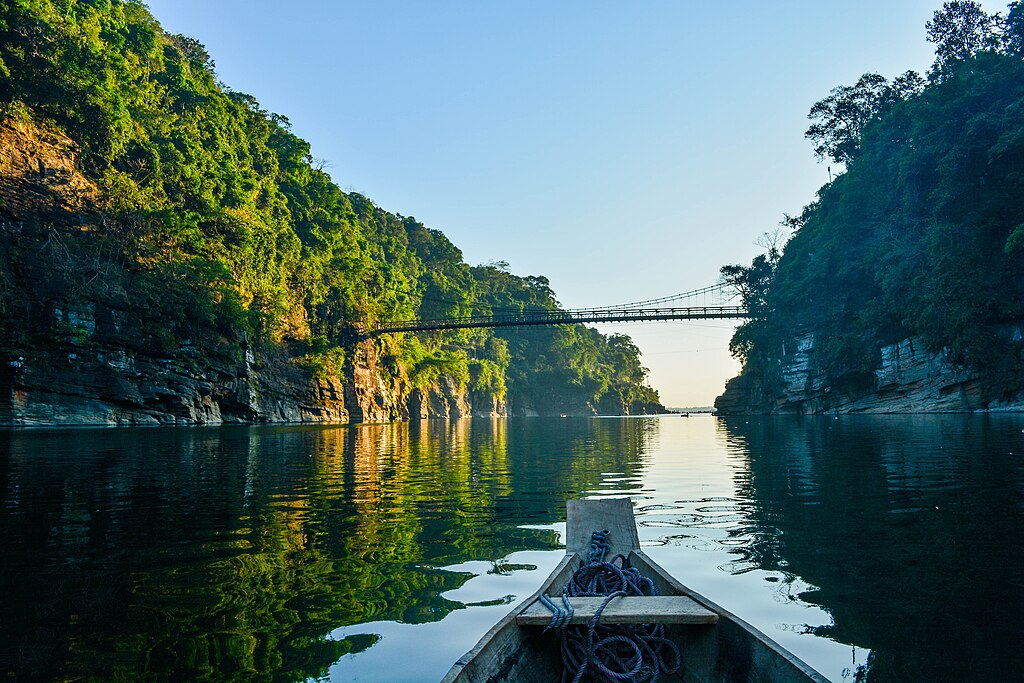
Meghalaya Height From Sea Level – 9 Powerful Facts About the Abode of Clouds
Meghalaya height from sea level – Meghalaya, famously known as the “Abode of Clouds,” is one of the most scenic states in Northeast India. Its rolling hills, deep valleys, record-breaking rainfall, waterfalls, caves, and living root bridges make it a unique geographical region. One of the most commonly searched questions by travelers and geography enthusiasts is about the Meghalaya height from sea level.
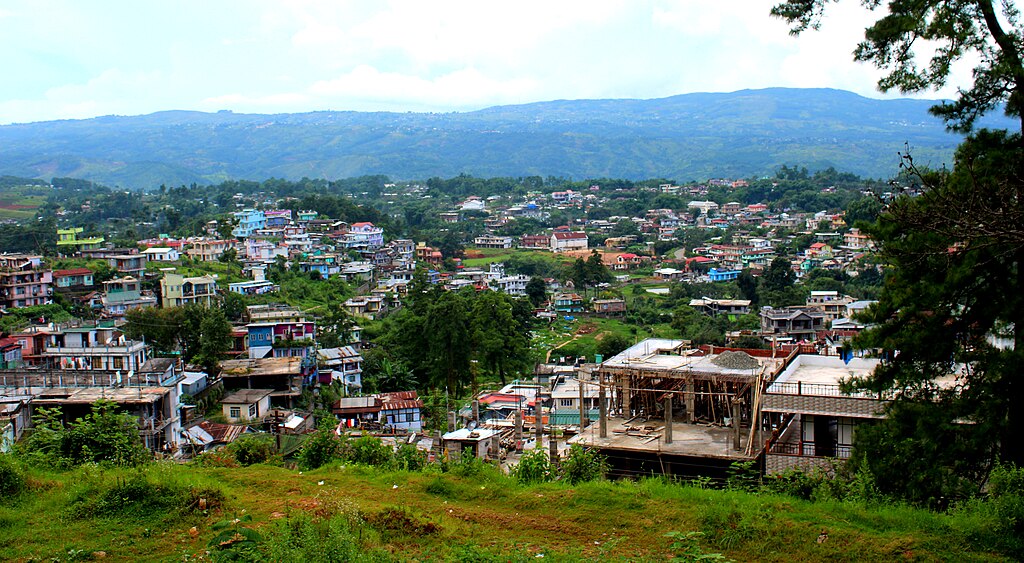
Understanding Meghalaya’s elevation helps visitors plan travel, understand climate conditions, and appreciate why this region experiences such rich biodiversity and weather patterns. This article provides a detailed, well-researched explanation of Meghalaya height above sea level, along with information on climate, major cities’ elevations, places to visit, best time to travel, and much more.
Meghalaya Height From Sea Level (Average Elevation)
The average height of Meghalaya from sea level ranges between:
-
150 meters to 1,961 meters (492 ft to 6,434 ft)
The elevation varies significantly across different regions of the state. While some low-lying areas near Assam are close to sea level, the central plateau and hill regions rise steeply, giving Meghalaya its famous highland character.
-
Highest point: Shillong Peak – 1,961 meters
-
Average plateau height: Around 1,200–1,500 meters
This variation in altitude is a major reason for Meghalaya’s diverse climate and ecosystems.
Why Meghalaya Altitude Is Geographically Important
The Meghalaya Plateau is one of the oldest landforms in India and is geologically distinct from the Himalayas. Its height from sea level plays a crucial role in:
-
Causing heavy orographic rainfall
-
Supporting dense subtropical forests
-
Creating ideal conditions for rivers, waterfalls, and caves
-
Influencing agriculture and local livelihoods
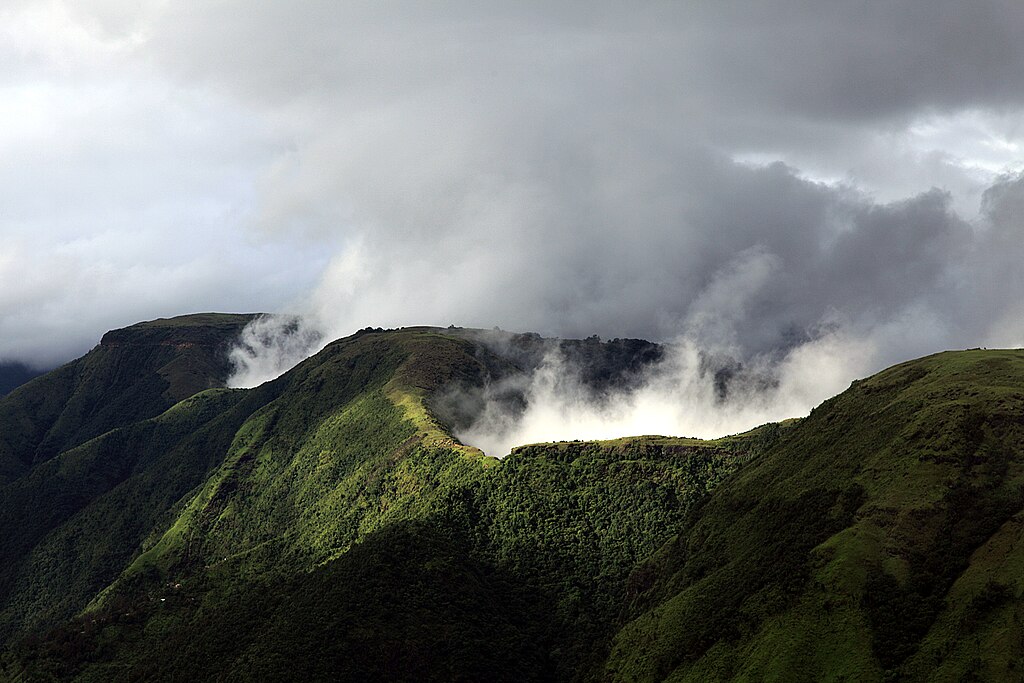
Moisture-laden winds from the Bay of Bengal rise when they hit the plateau, leading to extremely high rainfall, especially in southern Meghalaya.
Height of Major Cities and Towns in Meghalaya
Here is the approximate height from sea level of important cities and tourist places in Meghalaya:
-
Shillong: 1,496 meters
-
Shillong Peak: 1,961 meters
-
Cherrapunji (Sohra): 1,484 meters
-
Mawsynram: 1,400 meters
-
Tura: 657 meters
-
Nongpoh: 485 meters
-
Williamnagar: 305 meters
This range shows how Meghalaya transitions from high plateaus to lower valleys within short distances.
Climate of Meghalaya Based on Altitude
The height from sea level directly influences Meghalaya’s climate. Due to its elevation, the state enjoys relatively cool temperatures compared to most parts of India.
Summer (March to June)
-
Temperature: 15°C to 25°C
-
Pleasant and ideal for sightseeing
-
Cooler in hill regions like Shillong and Sohra
Monsoon (June to September)
-
Meghalaya receives some of the highest rainfall on Earth
-
Mawsynram and Cherrapunji are among the wettest places globally
-
Landslides and roadblocks are common
Winter (November to February)
-
Temperature: 4°C to 15°C
-
Cold nights in higher elevations
-
Misty mornings and clear skies
The moderate altitude ensures Meghalaya never experiences extreme heat.
Best Time to Visit Meghalaya Based on Elevation
The best time to visit Meghalaya considering its height from sea level is:
October to April (Recommended)
-
Pleasant temperatures
-
Clear views of valleys and hills
-
Ideal for trekking, sightseeing, and photography
June to September (For Rain Lovers)
-
Heavy rainfall
-
Best for waterfalls and lush greenery
-
Travel disruptions possible
If you prefer cool weather without excessive rain, winter and early spring are the best seasons.
Top Places to Visit in Meghalaya (Altitude Advantage)
Meghalaya elevation creates dramatic landscapes and stunning viewpoints. Some must-visit places include:
Shillong
The capital city, located at nearly 1,500 meters, is known for lakes, viewpoints, and colonial charm.
Cherrapunji (Sohra)
Famous for rainfall, waterfalls, limestone caves, and living root bridges.
Mawsynram
Often called the wettest place on Earth, located at a high plateau exposed to rain-bearing winds.
Dawki
Though lower in elevation, Dawki’s clear Umngot River contrasts beautifully with surrounding hills.
Tura
Situated in the Garo Hills, Tura offers forested landscapes and wildlife experiences.
Things to Do in Meghalaya
Thanks to its height and terrain, Meghalaya altitude offers diverse activities:
-
Trekking to living root bridges
-
Cave exploration (Mawsmai, Siju, Liat Prah)
-
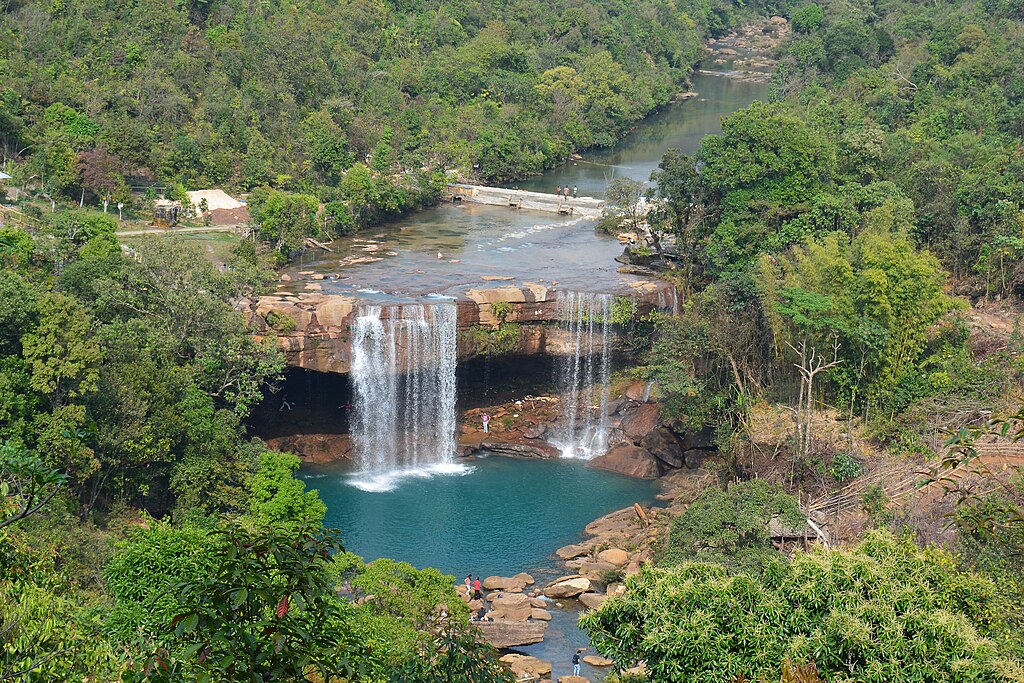
Waterfall visits (Nohkalikai, Seven Sisters)
-
Nature photography
-
Cultural experiences with Khasi, Jaintia, and Garo tribes
Adventure seekers benefit from the hilly elevation, while casual travelers enjoy scenic drives and viewpoints.
How to Reach Meghalaya
Despite its hilly altitude, Meghalaya is well connected.
By Air
-
Nearest airport: Shillong Airport (Umroi) – limited flights
-
Major airport: Guwahati Airport (128 km away)
By Train
-
Nearest railway station: Guwahati Railway Station
By Road
-
Well-maintained highways connect Guwahati to Shillong
-
Roads wind upward due to increasing elevation
Travel time increases because of mountainous terrain, but views are spectacular.
Accommodation Options in Meghalaya
Meghalaya offers accommodation for every budget:
-
Luxury resorts in Shillong and Cherrapunji
-
Mid-range hotels and boutique stays
-
Homestays in villages and hill towns
-
Eco-lodges near forests and waterfalls
Due to cooler temperatures at higher altitudes, most accommodations do not require air conditioning.
How Meghalaya’s Height Affects Agriculture and Lifestyle
Meghalaya elevation influences:
-
Crops like rice, maize, potatoes, and spices
-
Shifting cultivation (jhum farming) in some regions
-
Cool-weather vegetables and fruits
-
Traditional architecture adapted to heavy rainfall
Life in Meghalaya revolves around its hills, rainfall, and altitude-driven climate.
Meghalaya Height From Sea Level – Key Facts Summary
-
Average elevation: 1,200–1,500 meters
-
Highest point: Shillong Peak (1,961 meters)
-
Climate: Mild summers, heavy monsoons, cool winters
-
Geography: Plateau with steep southern slopes
-
Tourism: Best from October to April
Final Thoughts
Understanding the Meghalaya height from sea level explains why this northeastern state feels so different from the rest of India. Its elevation shapes everything—from climate and rainfall to culture, agriculture, and tourism. Whether you’re planning a trip, studying geography, or simply curious, Meghalaya’s altitude is central to its identity as the Abode of Clouds.
Kotagiri Height From Sea Level – Altitude, Climate, Travel Guide & Things to Do