

Chandigarh Height From Sea Level – Complete Travel Guide
Chandigarh Height From Sea Level – Chandigarh is one of India’s most iconic planned cities — known as “The City Beautiful” for its orderly design, wide boulevards, green belts, and modern urban planning by renowned architect Le Corbusier. But did you know its height from sea level affects its climate, geography, and lifestyle? In this detailed guide, we explore everything you need to know about Chandigarh height from sea level, its topography, weather impact, and more. Ministry of Tourism+1
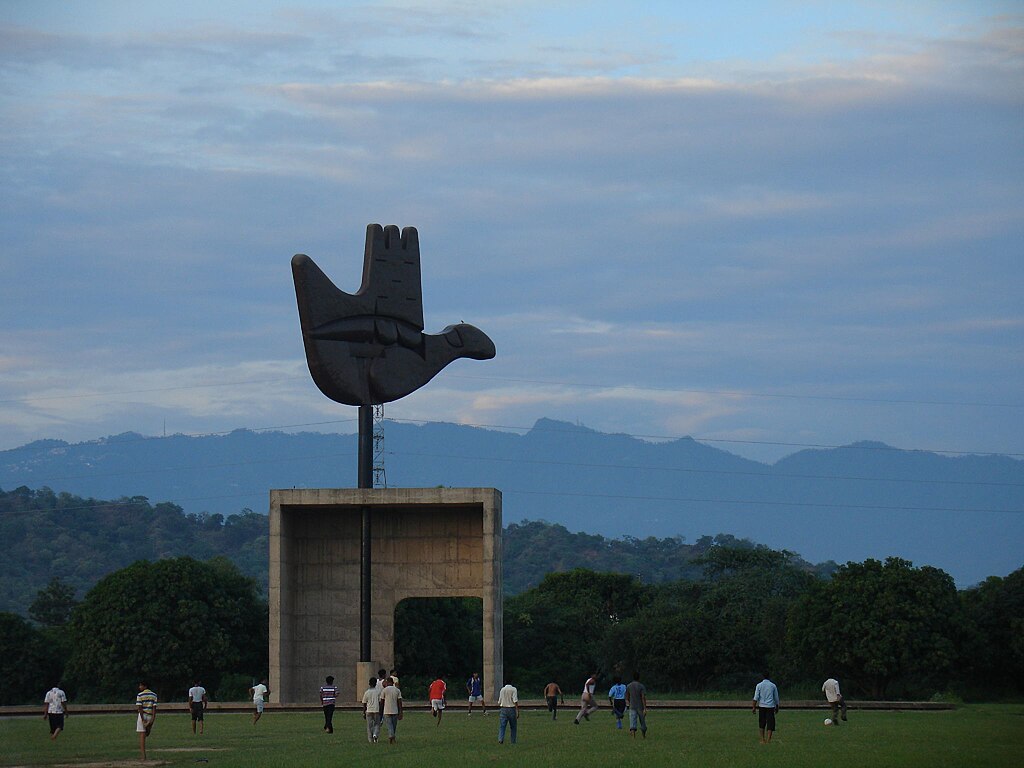
What Is Chandigarh Height From Sea Level?
Chandigarh lies at an average elevation ranging between approximately 304 m and 365 m above mean sea level (MSL). Ministry of Tourism+1
Official sources note that Chandigarh’s terrain varies slightly because it is located on gently sloping land at the foothills of the Shivalik Range, which connects the northern plains to the lower Himalayas. Chandigarh Administration
Some maps and elevation studies also show that the general elevation falls around 321 m above sea level, with minor variations across the city. Wikipedia
This moderate elevation influences Chandigarh’s climate, keeping it cooler than the nearby plains during summer while avoiding the chilly extremes of higher Himalayan regions.
Where Is Chandigarh Located?
Chandigarh is a Union Territory and joint capital of Punjab and Haryana, situated in northwest India. Wikipedia
-
Latitude: ~30.74° N
-
Longitude: ~76.79° E
-
Terrain: Foothills of the Shivalik Range, joining the northern plains, giving it an elevation that varies slightly across sectors. Chandigarh City
Unlike deeply hilly towns, Chandigarh has gentle slopes and flat terrain with small variations in height. Urban planning was done keeping this topography in mind to ensure good drainage and comfortable living conditions. Chandigarh Administration
Chandigarh Elevation Range
| Parameter | Elevation From Sea Level |
|---|---|
| City Average | ~304 m – 365 m above sea level Ministry of Tourism |
| Wikipedia reported average | ~321 m above sea level Wikipedia |
| Highest local areas | ~365 m above sea level Chandigarh Envis |
| Chandigarh Railway Station | ~330.77 m above sea level Wikipedia |
Because Chandigarh is spread across gently rising terrain at the edge of the foothills, elevation varies slightly from one part to another — but the entire city sits well above sea level compared to many northern plains cities. Topographic maps
How Elevation Influences Chandigarh Climate
Chandigarh altitude influences local weather in several ways:
1. Summers
Though Chandigarh gets hot in peak summer, its elevation of 300 + m helps prevent extreme heat found in some lower-lying areas. Average summer highs often reach up to 38 °C or more, but nights can be cooler than plains due to elevation. Chandigarh Envis
2. Winters
Winters can get quite cool, even dipping to low single digits in December and January, thanks in part to its elevation and proximity to the Shivalik foothills. Chandigarh Envis
3. Monsoon
Moderate rainfall in the monsoon (July–September) brings greenery to the city, fed by the small streams and runoff from nearby hills. Chandigarh Envis
4. Breezes & Air Movement
Due to its slight elevation and open layout, Chandigarh often enjoys circulating breezes that can moderate temperatures — especially in sectors with tree cover and green belts. Chandigarh City
Topography and Natural Features
Chandigarh blends urban planning with natural terrain. Its geography comprises:
-
Flat and gently sloping plains transitioning to higher ground towards the foothills. Chandigarh Administration
-
Sukhna Lake, a scenic reservoir created at the foot of the Shivalik hills, enhancing the city’s natural appeal. Wikipedia
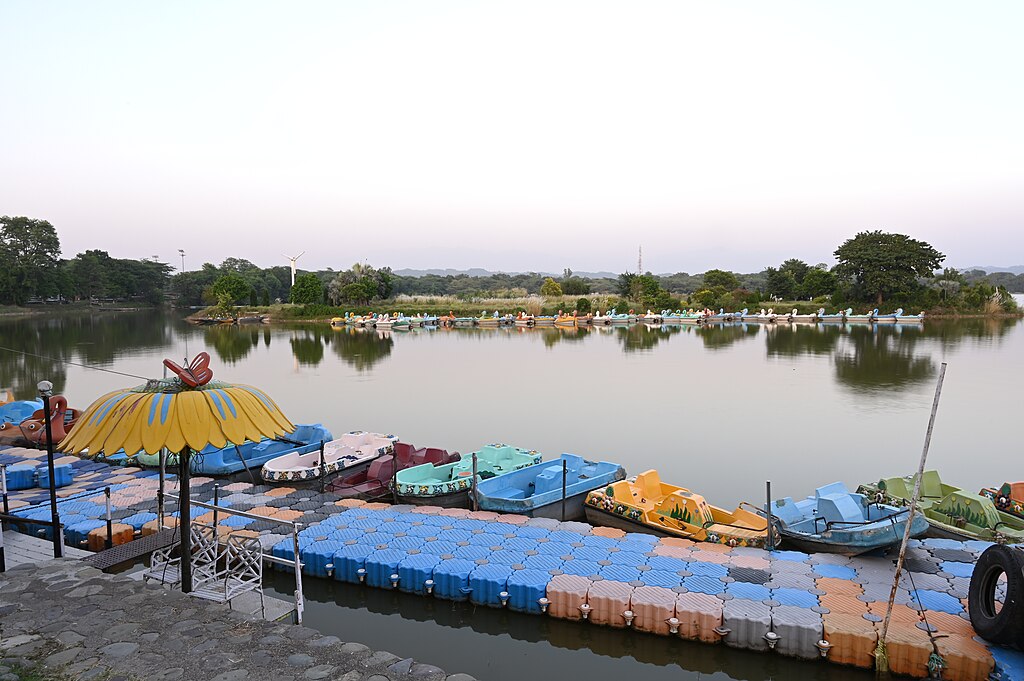
-
Shivalik foothills rising just beyond the city on the northern side, creating a subtle backdrop of hill slopes and greenery. Explore India
Because of this layout, Chandigarh experiences a mix of plains and foothill influences on its geography, weather, and water systems. Chandigarh Administration
Why Chandigarh Elevation Matters to Residents & Visitors
✔ Comfortable Climate
Chandigarh’s moderate altitude makes summers less oppressive than deep plains regions and winters pleasantly cool. Chandigarh Envis
✔ Drainage & Urban Planning
The gentle slope toward the foothills helps with natural drainage during monsoon, reducing flood risk in many areas. Chandigarh Administration
✔ Proximity to Hill Retreats
Because Chandigarh sits at the foothills, hill stations like Kasauli, Shimla, and Morni Hills are easily reachable for weekend trips — offering higher elevations and cooler landscapes. Explore India+1
Best Times to Visit Chandigarh
Chandigarh’s elevation ensures distinct seasons:
| Season | What to Expect |
|---|---|
| Winter (Nov–Feb) | Cool & pleasant with clear skies |
| Spring (Mar–Apr) | Mild climate & blossoming parks |
| Summer (May–Jun) | Warm days with cooler nights |
| Monsoon (Jul–Sep) | Moderate rain & lush greenery |
October to March is often considered the most comfortable time to explore Chandigarh’s gardens, museums, and outdoor spaces. Chandigarh City
Quick Facts – Chandigarh Height From Sea Level
✔ Chandigarh lies at an elevation of about 304 m to 365 m above sea level. Ministry of Tourism
✔ The city has an average elevation of roughly 321 m (1,053 ft). Wikipedia
✔ The Chandigarh Junction railway station sits at ~330.77 m above sea level. Wikipedia
✔ Because of elevation and layout, Chandigarh enjoys a blend of plains and Shivalik foothill climate settings. Chandigarh City
Travel & Lifestyle Insights
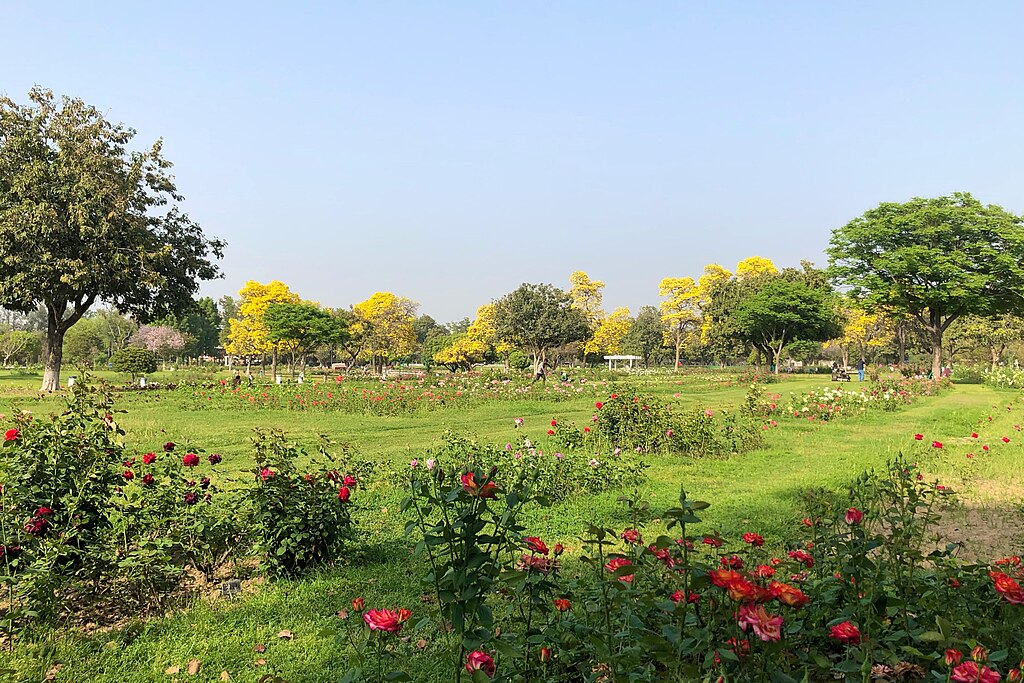
Chandigarh’s height makes it a comfortable city in terms of:
-
Temperatures that rarely become extreme compared with deeper plains cities. Chandigarh City
-
Good air circulation and connected green spaces that make outdoor activities enjoyable. Chandigarh City
-
Easy access to hill stations, boosting tourism and weekend getaways. Explore India
Conclusion
Chandigarh’s height from sea level — averaging 304 m to 365 m — plays an important role in its climate, urban planning, and lifestyle. Nestled at the foothills of the Shivalik Range, it enjoys the best of both plains and hill influences, making it one of India’s most livable and scenic urban hubs.