
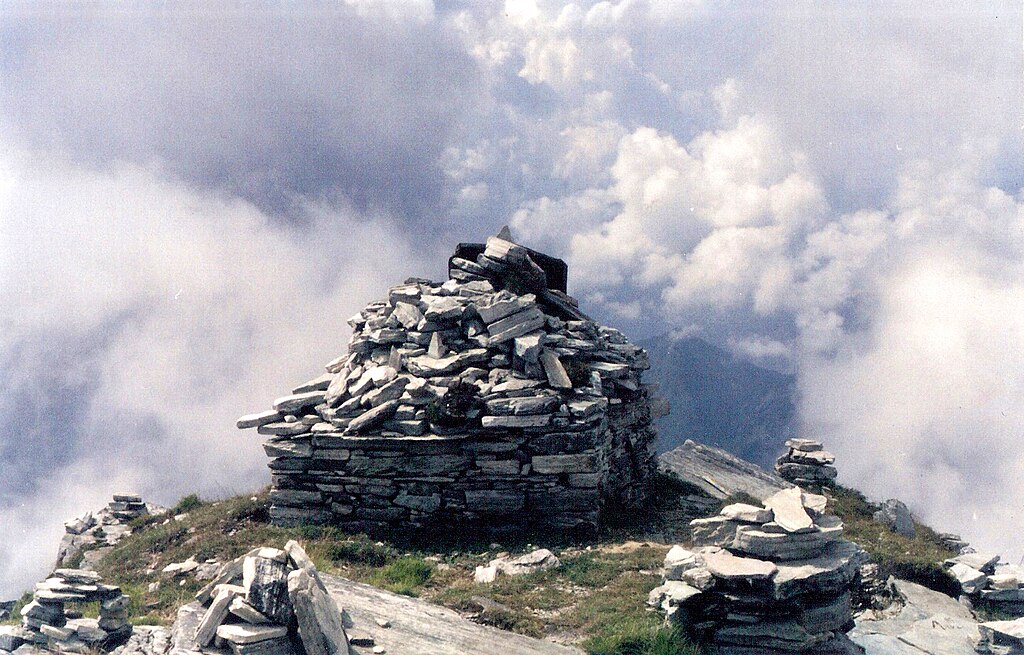
Chandrashila Height From Sea Level – Altitude, Trekking & Spiritual Guide
Chandrashila height from sea level is approximately 4,000 meters (≈13,123 feet) — making it one of the higher and most spectacular viewpoints in the Indian Himalayas. Perched above the ancient Triyuginarayan Temple and overlooking the mighty peaks of the Garhwal range, Chandrashila is both a spiritual destination and a trekking landmark with breathtaking panoramic views. Its high elevation shapes the climate, trekking difficulty, and natural beauty of the region, making it a must-visit for adventurers and pilgrims alike.
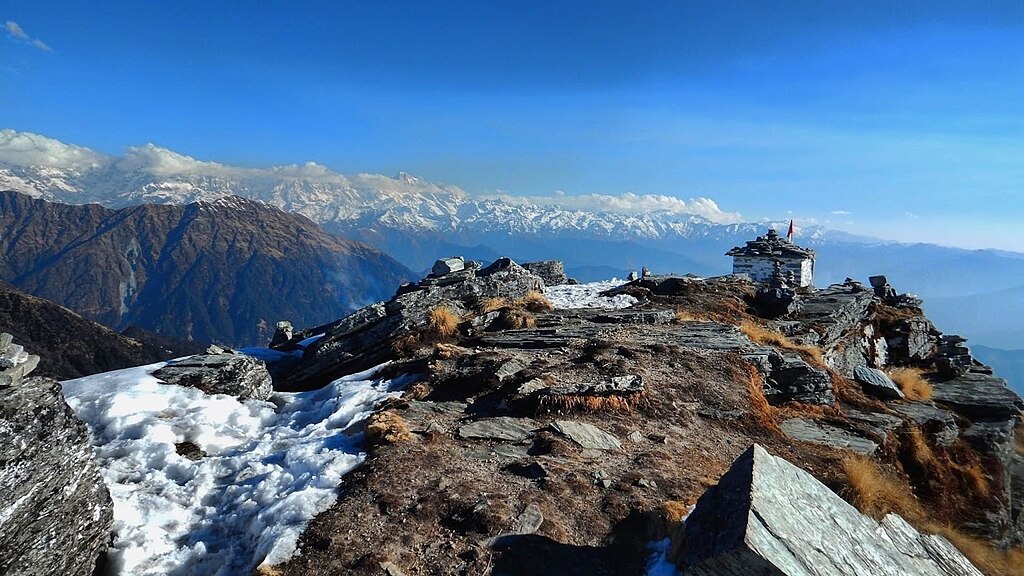
What Is Chandrashila Height From Sea Level?
Chandrashila Peak is situated at an elevation of around 4,000 meters (≈13,123 feet) above sea level. This makes it one of the higher trekking peaks in Uttarakhand with dramatic Himalayan vistas. (en.wikipedia.org)
The name “Chandrashila” itself is derived from two Sanskrit words — Chandra (moon) and Shila (rock) — signifying “the rock of the moon,” befitting its lofty height and celestial panoramas.
Geography & Location
Chandrashila is located in the Uttarakhand state of India, near the popular hill town of Joshimath in the Chamoli district. It is part of the Garhwal Himalayas and lies above the famed Tungnath Temple — the highest Shiva temple in the world. (uttarakhandtourism.gov.in)
The peak sits on a ridge that offers stunning views of some of India’s tallest mountains, including:
-
Nanda Devi (7,816 m)
-
Trisul (7,120 m)
-
Kedar Peak (6,940 m)
-
Bandarpunch (6,316 m)
Because of this altitude and location, Chandrashila is among the most scenic summit points in northern India.
Why Chandrashila Elevation Matters
Chandrashila elevation significantly affects its:
Climate & Weather
At approximately 4,000 m above sea level, the climate here is:
-
Cold and windy most of the year
-
Snow-covered in winter (Dec–Mar)
-
Cool and clear in summer and post-monsoon months
The high altitude results in lower oxygen levels, more intense solar radiation, and greater temperature variation between day and night. Visitors should prepare accordingly. (mountaincollectivetravel.com)
Chandrashila Trek: Altitude & Trail Overview
Reaching Chandrashila Altitude is typically part of the Tungnath-Chandrashila Trek, which is one of India’s most popular high-altitude treks.
Trek Snapshot
-
Starting Point: Chopta (approx. 2,700 m)
-
Tungnath Temple: ~3,680 m (Shiva temple)
-
Chandrashila Peak: ~4,000 m
The height gain from Chopta to Chandrashila is nearly 1,300 meters, which makes the trek moderate to challenging depending on weather and fitness. The trail is well-marked and traverses lush forests, rocky slopes, and alpine meadows.
Trek Difficulty
Due to altitude and terrain, trekkers should be prepared for:
✔ Steep sections above 3,500 m
✔ Cold winds and rapid weather changes
✔ Potential mild altitude effects such as shortness of breath
Acclimatization and proper gear are essential for safe trekking at this elevation.
Altitude Effects at 4,000 m
At around 4,000 m (≈13,123 ft), the risk of mild altitude sickness increases for individuals arriving from low altitudes. Common symptoms can include:
-
Headache
-
Mild nausea
-
Shortness of breath
-
Fatigue
To minimize altitude effects:
✔ Spend a night at Chopta (~2,700 m)
✔ Hydrate frequently
✔ Ascend slowly — avoid rapid climb
This is similar to trekking advice for other high-altitude Himalayan destinations like Roopkund Height From Sea Level and Kinner Kailash altitude.
Best Time to Visit Based on Altitude Experience
| Season | Conditions at Chandrashila (~4,000m) |
|---|---|
| Spring (Apr–Jun) | Clear views, mild temperatures |
| Monsoon (Jul–Sep) | Green valleys, slippery patches |
| Autumn (Oct–Nov) | Clear sky, best visibility |
| Winter (Dec–Mar) | Heavy snow, difficult access |
October to November and April to June are considered the best trekking seasons — offering clear skies and comfortable weather for high-altitude trails.
During winter, the region often receives heavy snowfall, and the path to Chandrashila can be challenging without snow gear.
Panoramic Views at High Altitude
One of the main highlights of Chandrashila elevation is the 360° Himalayan view it offers at dawn:
✔ Nanda Devi – India’s second-highest peak
✔ Trisul range – Distinct three-peaked ridge
✔ Kedar Dome & Kedar Peak – Alpine giants
✔ Bandarpunch range – Majestic winter silhouette
The sunrise from Chandrashila — with the high mountains bathed in golden light — is one of the most photographed Himalayan scenes in northern India.
Spiritual Significance
Chandrashila is also a deeply spiritual site. According to Hindu mythology, it is the place where Lord Rama meditated after defeating Ravana. A small temple near the summit is dedicated to Lord Rama, adding religious significance to the already breathtaking trek.
The elevation contributes to the sense of remoteness and serenity, which many pilgrims cite as a reason for undertaking the trek.
Flora & Fauna at High Altitude
Due to its altitude:
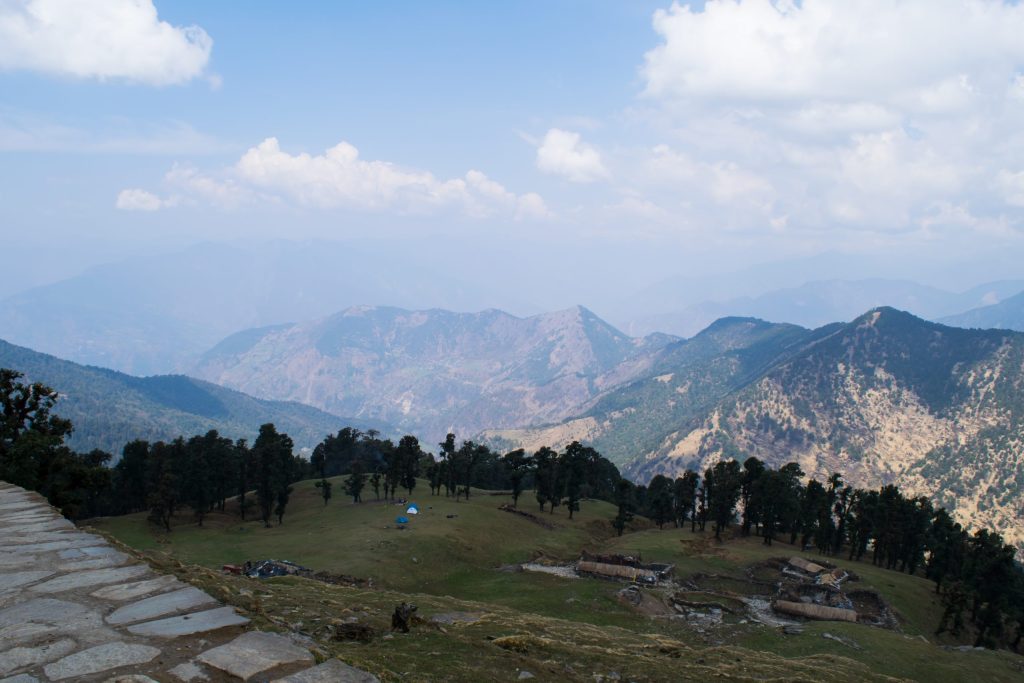
✔ Tree line ends around Chopta (~2,700 m)
✔ Alpine grasses and shrubs dominate higher sections
✔ Birds like the Himalayan monal and snow partridge are occasional sightings
This high-altitude ecosystem is fragile and unique, adapting to colder temperatures and shorter growing seasons than lower hills.
Distance & Access
Reaching Chopta (Base Camp)
-
By Road: Chopta is connected via motor roads from Rudraprayag and Ukhimath.
-
By Air: The nearest airport is Jolly Grant Airport (Dehradun).
-
By Train: The nearest railway station is Rishikesh / Dehradun.
From Chopta, hikers ascend to Tungnath and then onward to Chandrashila, gaining altitude gradually — a strategy that helps with acclimatization.
Elevation Comparisons
| Place | Approx. Height From Sea Level |
|---|---|
| Chandrashila Peak | ~4,000 m (13,123 ft) (en.wikipedia.org) |
| Tungnath Temple | ~3,680 m (12,073 ft) |
| Auli | ~2,800 m (9,186 ft) |
| Yamunotri | ~3,293 m (10,804 ft) |
| Kedarnath | ~3,583 m (11,755 ft) |
This comparison shows that Chandrashila is one of the higher non-technical trekking peaks in Uttarakhand, offering Himalayan views comparable to iconic sites across the region.
Travel & Trekking Tips
✔ Start your trek early in the morning — the weather is calmer and visibility is better.
✔ Carry warm clothing layer by layer — even summers can be chilly near the peak.
✔ Trek gradually to avoid altitude issues — overnight stays at Chopta / Tungnath help acclimatize.
Due to the high altitude, hikers need stamina and good trail footwear for rocky and sometimes snowy terrain.
Quick Facts – Chandrashila Height From Sea Level
✔ Chandrashila height from sea level: ~4,000 meters (≈13,123 feet). (en.wikipedia.org)
✔ Location: Near Chopta and Tungnath, Chamoli district, Uttarakhand, India.
✔ Trek type: Moderate to high-altitude Himalayan trek.
✔ Best season: April–June & October–November.
✔ Nearby peaks visible: Nanda Devi, Trisul, Kedar Dome, Bandarpunch.
Conclusion
The Chandrashila height from sea level — at around 4,000 meters — is what makes it one of the most spectacular high-altitude treks in the Indian Himalayas. Whether you are a trekker chasing panoramic views, a pilgrim seeking spiritual elevation, or a traveler craving Himalayan vistas, Chandrashila offers a once-in-a-lifetime altitude experience shaped by dramatic peaks and epic landscapes.
Auli Height From Sea Level – Altitude, Climate, Skiing & Travel Guide