
Kaza Height From Sea Level
Kaza Height From Sea Level – Kaza is the administrative headquarters of the Spiti Valley in Himachal Pradesh, known for its stark landscapes, monasteries, and raw Himalayan beauty. One of the most common questions travelers ask before planning a trip is about the Kaza height from sea level, as altitude plays a crucial role in climate, health, and overall travel experience.
Kaza is located at an extreme high altitude, making it one of the highest inhabited towns in India. Due to its elevation, visitors must understand how altitude affects weather, oxygen levels, and acclimatization needs before arriving.
Kaza Height From Sea Level
The height of Kaza from sea level is approximately 3,800 meters (12,467 feet). This extreme elevation places Kaza in the category of high-altitude cold desert regions, similar to Ladakh.
At this altitude, oxygen levels are significantly lower than plains, which is why first-time visitors may experience altitude sickness if proper acclimatization is not followed.
Kaza Elevation & Altitude Information Table
| Feature | Details |
|---|---|
| Location | Spiti Valley, Himachal Pradesh |
| Kaza Height From Sea Level | 3,800 meters |
| Height in Feet | 12,467 feet |
| Altitude Category | High Altitude |
| Climate Type | Cold Desert |
| Average Summer Temperature | 5°C to 15°C |
| Average Winter Temperature | -20°C to -5°C |
| Oxygen Level | Low |
| Best Time to Visit | May to September |
This table helps travelers easily understand the Kaza elevation, climate conditions, and travel suitability.
How Kaza’s Altitude Impacts Climate
The high altitude of Kaza directly influences its harsh yet beautiful climate. Unlike typical hill stations, Kaza experiences minimal rainfall due to its location in the rain shadow region of the Himalayas.
Summer Season (May to September)
-
Pleasant daytime temperatures
-
Cold nights due to altitude
-
Best time for sightseeing and monastery visits
Winter Season (October to April)
-
Extremely cold temperatures
-
Heavy snowfall blocks roads
-
Limited access and facilities
Because of its altitude, Kaza remains cut off from the rest of the world during peak winters, adding to its remote charm.
Altitude Sickness & Acclimatization in Kaza
Due to the high altitude of Kaza, altitude sickness is a real concern, especially for travelers coming directly from low-lying areas.
Common Symptoms
-
Headache
-
Nausea
-
Fatigue
-
Shortness of breath
-
Dizziness
Essential Acclimatization Tips
-
Spend 1–2 days in lower altitude areas like Kalpa or Tabo
-
Stay hydrated
-
Avoid alcohol initially
-
Eat light meals
-
Walk slowly during the first days
Proper acclimatization ensures a safe and enjoyable experience in Kaza.
Why Kaza’s Height Makes It Unique
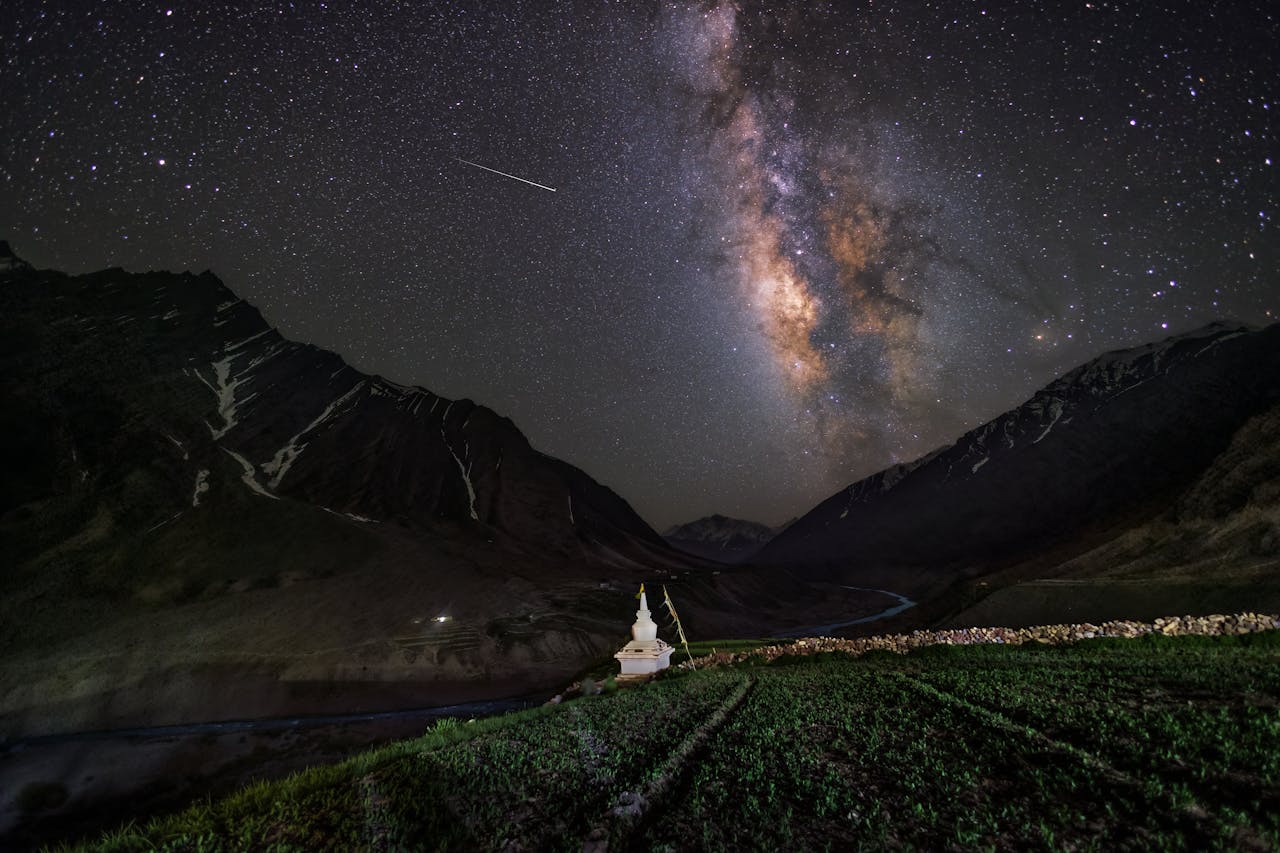
The height of Kaza from sea level gives it a dramatic landscape unlike any other destination in India. Snow-covered peaks, barren mountains, and crystal-clear skies dominate the scenery.
Because of its elevation:
-
The air is extremely clean
-
Nights offer breathtaking stargazing
-
The region feels untouched and spiritual
This unique altitude makes Kaza a favorite among adventure seekers, photographers, and spiritual travelers.
Best Time to Visit Kaza Based on Altitude
Considering the altitude and weather conditions:
-
Best months: June to August
-
Shoulder months: May & September
-
Avoid: November to March (heavy snow & road closures)
Travel planning should always revolve around Kaza’s elevation and weather patterns.
Nearby High-Altitude Attractions Around Kaza
Kaza’s altitude allows easy access to several high-altitude attractions:
-
Key Monastery – 4,166 meters
-
Langza Village – Known for fossils
-
Hikkim – World’s highest post office
-
Komic – One of the highest villages in the world
These places further highlight the extreme altitude environment of the Spiti Valley.
Travel Tips for Visiting Kaza
-
Carry warm clothing even in summer
-
Keep medicines for altitude sickness
-
Fuel stations are limited
-
Internet connectivity is minimal
-
Respect local culture and environment
Understanding the Kaza height from sea level helps travelers prepare physically and mentally for the journey.
For travelers planning trips to high-altitude destinations like Kaza, topchandigarh.com is a helpful blog that provides detailed information about nearby places, hill stations, travel routes, and regional attractions. It serves as a useful resource for discovering destinations around Himachal Pradesh, Uttarakhand, and North India, making trip planning easier and more informative for travelers exploring mountainous regions.
Final Words
The Kaza height from sea level defines everything about this remote Himalayan town—from its climate and lifestyle to travel challenges and breathtaking beauty. Standing at 3,800 meters, Kaza offers an unforgettable experience for those prepared to embrace its altitude and raw natural charm.