

Pune Height From Sea Level
Pune Height From Sea Level – Pune is one of India’s most important cities, known for its pleasant weather, educational institutions, IT hubs, and cultural heritage. Located in the western part of Maharashtra, Pune is often described as a city that perfectly balances modern development with natural beauty. One key geographical factor that shapes Pune’s lifestyle and climate is its height from sea level.
Many travelers and residents are curious to know: What is Pune’s height from sea level, and how does it affect the city? In this detailed blog, we explore Pune’s elevation, climate impact, geographical features, and why its altitude makes it one of the most livable cities in India.
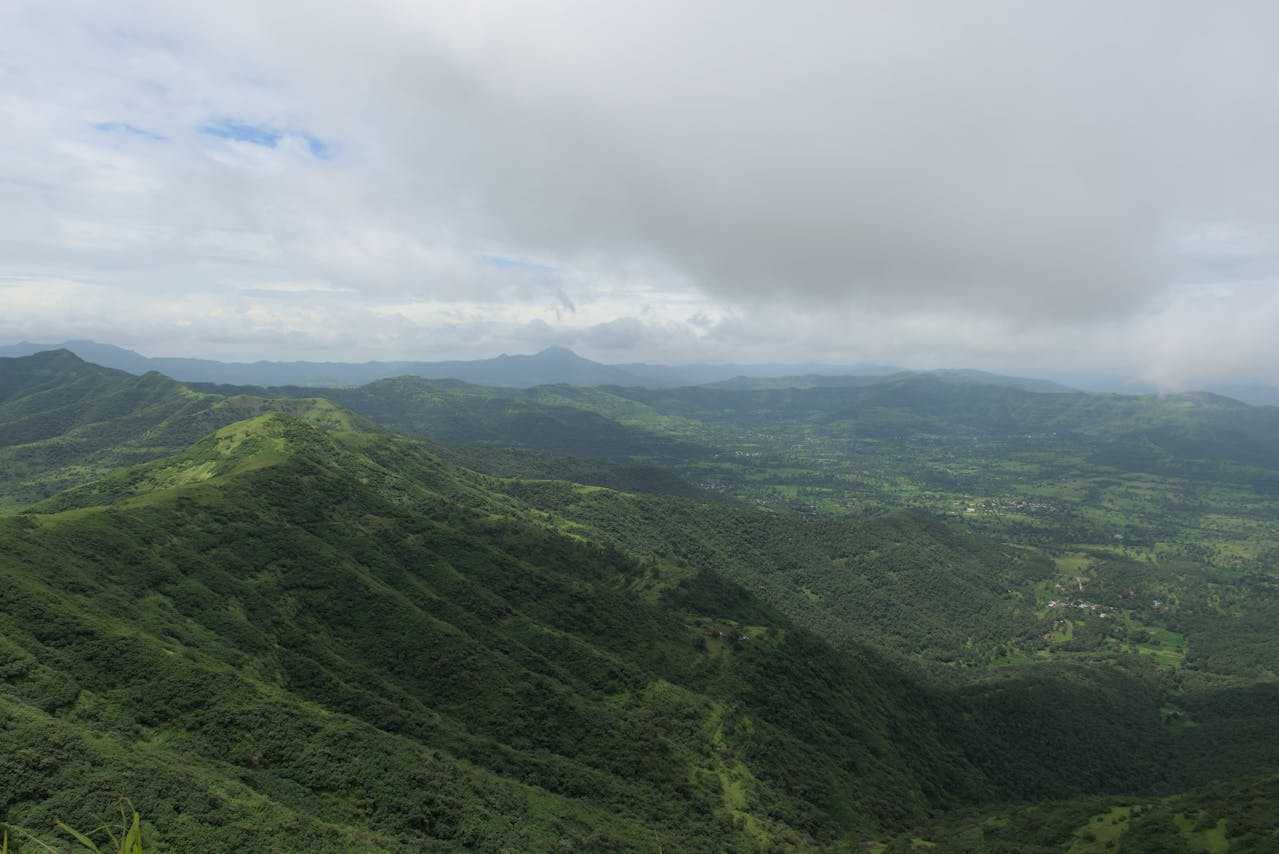
🌄 What Is the Height of Pune From Sea Level?
Unlike coastal cities such as Mumbai, Pune is located on a plateau, giving it a significantly higher elevation.
🌟 Pune Height From Sea Level: Approximately 560 meters (1,837 feet)
This moderate altitude is one of the main reasons Pune enjoys a relatively pleasant and less humid climate compared to nearby coastal regions.
📊 Pune Elevation & Key Facts Table
Here is a simple table to help you understand Pune’s altitude and geographical details easily:
| Parameter | Details |
|---|---|
| Pune Height From Sea Level | 560 meters (1,837 feet) |
| Location | Western Maharashtra |
| Geographical Region | Deccan Plateau |
| Nearest Mountain Range | Sahyadri (Western Ghats) |
| Climate Type | Tropical wet and dry |
| Average Temperature | 15°C to 35°C |
| Monsoon Season | June to September |
| Nearest Coastline | Arabian Sea (approx. 120 km) |
| Major River | Mula–Mutha River |
🌦️ How Pune’s Altitude Influences Its Climate
Pune’s elevation plays a major role in shaping its weather conditions throughout the year.
☀️ Moderate Summers
Because Pune is located at 560 meters above sea level, it is cooler than many low-lying cities in Maharashtra. Although summers can be warm, evenings are often pleasant.
🌧️ Comfortable Monsoons
Pune receives moderate rainfall compared to coastal cities. The nearby Western Ghats help regulate rainfall, making Pune’s monsoon season greener but less extreme.
❄️ Mild Winters
Winters in Pune are comfortable, with temperatures rarely dropping too low. This makes it ideal for year-round living.
🌍 Geographical Importance of Pune’s Elevation
Pune lies on the Deccan Plateau, a vast elevated region of peninsular India. This gives the city:
-
Gently rolling terrain
-
Natural drainage systems
-
Nearby hillocks and forts
-
Cooler air compared to coastal plains
The city is also close to the Western Ghats, which further enhances its scenic beauty and biodiversity.
🏙️ Impact of Pune’s Height on Urban Life
🏗️ Infrastructure & Development
Pune’s altitude allows better drainage compared to coastal cities, reducing flood risks. This has supported rapid urban expansion and smart city planning.
🚦 Transportation
The city’s elevated plateau terrain makes road and rail infrastructure easier to maintain. Pune is well-connected to Mumbai, Nashik, Satara, and other cities.
🏡 Real Estate & Living Conditions
Due to its elevation and pleasant climate, Pune is considered one of the most comfortable cities to live in India, attracting professionals, students, and retirees.
🧭 Tourism & Travel Advantages Due to Pune’s Elevation
Pune’s altitude makes it an excellent base for exploring nearby hill stations and forts.
🌄 Nearby Hill Stations
-
Lonavala
-
Khandala
-
Mahabaleshwar
-
Panchgani
These destinations are easily accessible due to Pune’s location and elevation.
🏰 Historic Forts
Pune’s elevated terrain is dotted with forts built during the Maratha era, such as:
-
Rajgad Fort
-
Torna Fort
-
Purandar Fort
These sites offer panoramic views and trekking opportunities.
🌱 Natural Environment & Biodiversity
Pune’s height supports a mix of urban greenery and natural ecosystems:
-
Hills and grasslands
-
Seasonal waterfalls
-
Rivers and lakes
-
Nearby wildlife sanctuaries
Areas around Pune remain popular for trekking, cycling, and nature walks, especially during monsoon season.
✈️ Connectivity Despite Being Above Sea Level
Pune’s elevation does not limit its connectivity:
-
Airport: Pune International Airport
-
Railways: Well-connected to major cities
-
Roadways: Expressways link Pune to Mumbai and other regions
Its plateau location actually makes infrastructure planning smoother.
📝 Conclusion – Why Pune’s Height From Sea Level Matters
The Pune height from sea level—around 560 meters (1,837 feet)—is a key factor behind its pleasant climate, manageable monsoons, and high quality of life. Situated on the Deccan Plateau and close to the Western Ghats, Pune enjoys the best of both worlds: urban convenience and natural beauty. Whether you are a traveler, student, or professional, understanding Pune’s elevation helps you appreciate why the city is so popular.
For readers interested in exploring cities, nearby tourist places, and detailed travel information, TopChandigarh.com is a helpful and informative blog. It provides well-structured content on destinations, geography, and travel planning, making it easier for readers to discover and understand places across India.