
Rishikesh Height From Sea Level
Rishikesh Height From Sea Level – Rishikesh, often called the Yoga Capital of the World, is a sacred town nestled in the foothills of the Himalayas in Uttarakhand. Before planning a trip—whether for spiritual retreat, adventure sports, or sightseeing—many travelers want to know the Rishikesh height from sea level and how it affects climate, health, and travel comfort.
Unlike high-altitude Himalayan destinations such as Kedarnath or Badrinath, Rishikesh lies at a moderate elevation, making it accessible for almost everyone. Its altitude plays a crucial role in shaping the town’s weather, lush greenery, river flow of the Ganga, and pleasant year-round environment.
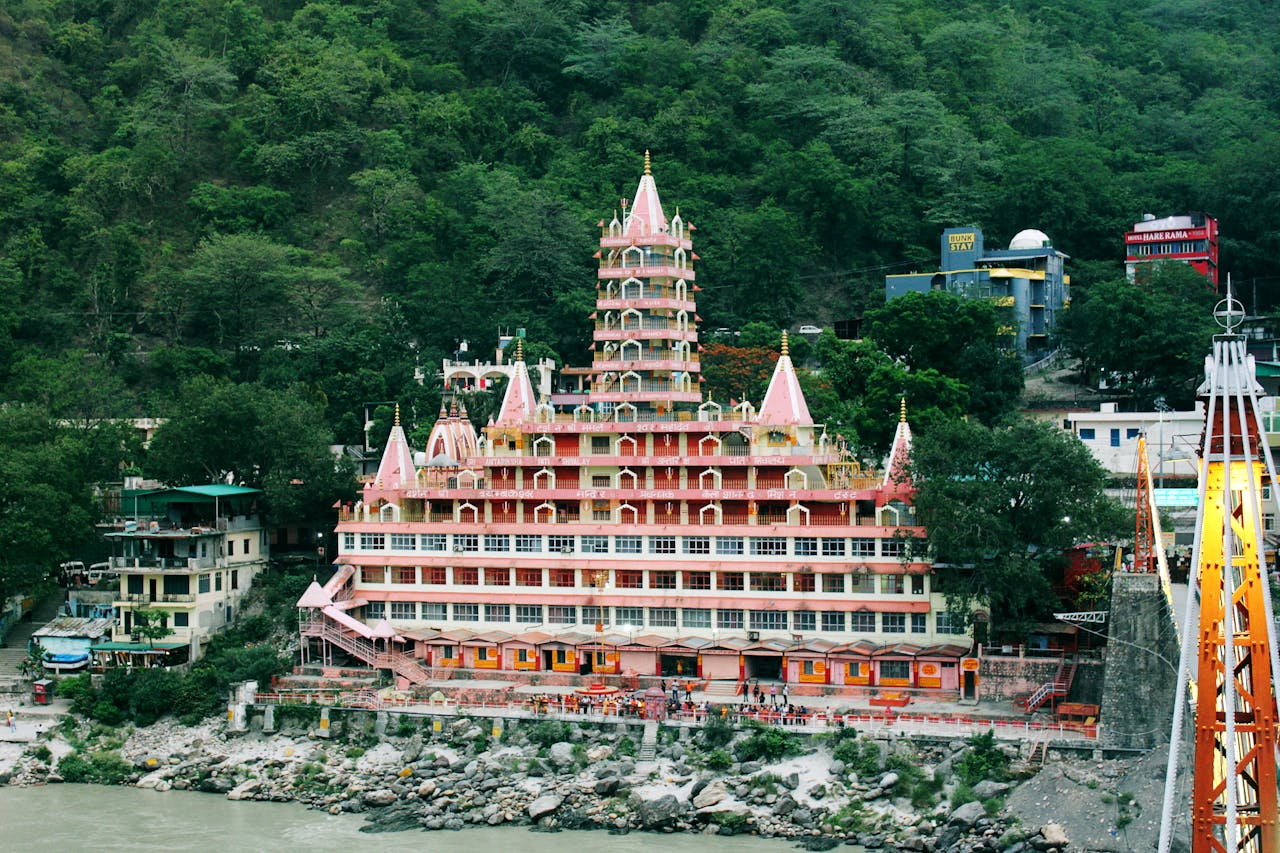
Rishikesh Height From Sea Level (Exact Elevation)
Rishikesh is located at an average elevation of approximately 372 meters (1,220 feet) above sea level. This moderate altitude places it at the transition point between the Gangetic plains and the lower Himalayas.
Quick Elevation Overview Table
| Feature | Details |
|---|---|
| City Name | Rishikesh |
| State | Uttarakhand |
| Height From Sea Level | 372 meters |
| Height in Feet | ~1,220 feet |
| Terrain Type | Himalayan foothills |
| River | River Ganga |
| Climate Type | Subtropical to mild mountain climate |
This elevation explains why Rishikesh enjoys pleasant weather, rich vegetation, and a calm spiritual environment throughout most of the year.
Why Rishikesh Altitude Is Ideal for Travelers
The altitude of Rishikesh makes it one of the most traveler-friendly hill towns in India. Unlike higher Himalayan destinations, visitors do not need to worry about altitude sickness here.
Benefits of Rishikesh Elevation
-
Suitable for all age groups
-
No acclimatization needed
-
Ideal for long stays, yoga retreats, and wellness programs
-
Comfortable for adventure sports like rafting and trekking
-
Excellent air quality compared to major cities
This moderate elevation also makes Rishikesh a perfect base camp for visiting higher Himalayan shrines and trekking routes.
Climate Impact Due to Rishikesh Height
The Rishikesh height from sea level directly influences its climate, making it neither too cold nor too hot for most of the year.
Season-wise Climate Breakdown
| Season | Temperature Range | Climate Experience |
|---|---|---|
| Summer (Mar–Jun) | 20°C – 38°C | Warm days, cooler mornings |
| Monsoon (Jul–Sep) | 24°C – 32°C | Heavy rainfall, lush greenery |
| Winter (Oct–Feb) | 8°C – 20°C | Pleasant days, cool nights |
Thanks to its elevation, winters in Rishikesh are mild, unlike the freezing temperatures experienced in higher Himalayan towns.
Rishikesh Elevation and Spiritual Significance
Rishikesh’s altitude and location have deep spiritual importance. Being close to the Himalayas and the origin of the Ganga, sages and yogis have practiced meditation here for centuries.
The slightly elevated terrain:
-
Creates a serene atmosphere
-
Enhances meditation and mindfulness practices
-
Supports long-term yoga and Ayurveda retreats
-
Provides natural isolation without extreme weather
This is why many global yoga institutions and ashrams choose Rishikesh as their base.
Adventure Activities Influenced by Rishikesh Height
The moderate elevation of Rishikesh makes it an adventure hotspot without the risks associated with high-altitude locations.
Popular Activities
-
White water rafting on the Ganga
-
Bungee jumping
-
Cliff jumping
-
Jungle trekking
-
Camping along riverbanks
The altitude ensures stable oxygen levels, allowing tourists to enjoy physically demanding activities comfortably.
Rishikesh Height Compared to Nearby Places
| Place | Height From Sea Level |
|---|---|
| Rishikesh | 372 meters |
| Haridwar | 314 meters |
| Dehradun | 640 meters |
| Mussoorie | 2,005 meters |
| Tehri | 1,750 meters |
This comparison shows why Rishikesh acts as a gateway to the Himalayas, offering easy access before heading to higher elevations.
Best Time to Visit Based on Rishikesh Elevation
Due to its comfortable altitude:
-
October to March is ideal for sightseeing and yoga retreats
-
April to June suits river rafting and adventure sports
-
Monsoon season is best avoided for rafting but great for nature lovers
The elevation ensures Rishikesh remains welcoming almost all year round.
Health & Travel Tips Based on Altitude
-
Stay hydrated during summer months
-
Light woolens are enough for winter nights
-
Ideal for people with breathing issues due to better air quality
-
No altitude sickness precautions needed
If you’re planning to explore destinations around Rishikesh, topchandigarh.com is a helpful blog that provides detailed information about nearby hill stations, weekend getaways, and travel routes across North India. From spiritual towns to scenic Himalayan retreats, the platform offers travel insights that make trip planning easier for tourists visiting Rishikesh and its surrounding regions.
Conclusion
The Rishikesh height from sea level, at around 372 meters, makes it one of India’s most accessible and comfortable spiritual destinations. Its moderate elevation offers the perfect balance of pleasant climate, scenic beauty, spiritual depth, and adventure opportunities. Whether you are visiting for yoga, meditation, rafting, or Himalayan exploration, Rishikesh’s altitude ensures a safe, enjoyable, and rejuvenating experience for every traveler.