

Manali Height from Sea Level
Manali height from sea level – Manali , one of India’s most popular hill stations, is known for its snow-clad mountains, pleasant weather, adventure activities, and breathtaking Himalayan landscapes. Whether you are planning a family vacation, honeymoon, or adventure trip, knowing Manali’s height from sea level helps you understand its climate, oxygen levels, travel conditions, and the best time to visit.
This guide covers Manali’s exact elevation, how it affects weather, acclimatization tips, nearby altitude variations, and a useful comparison table.
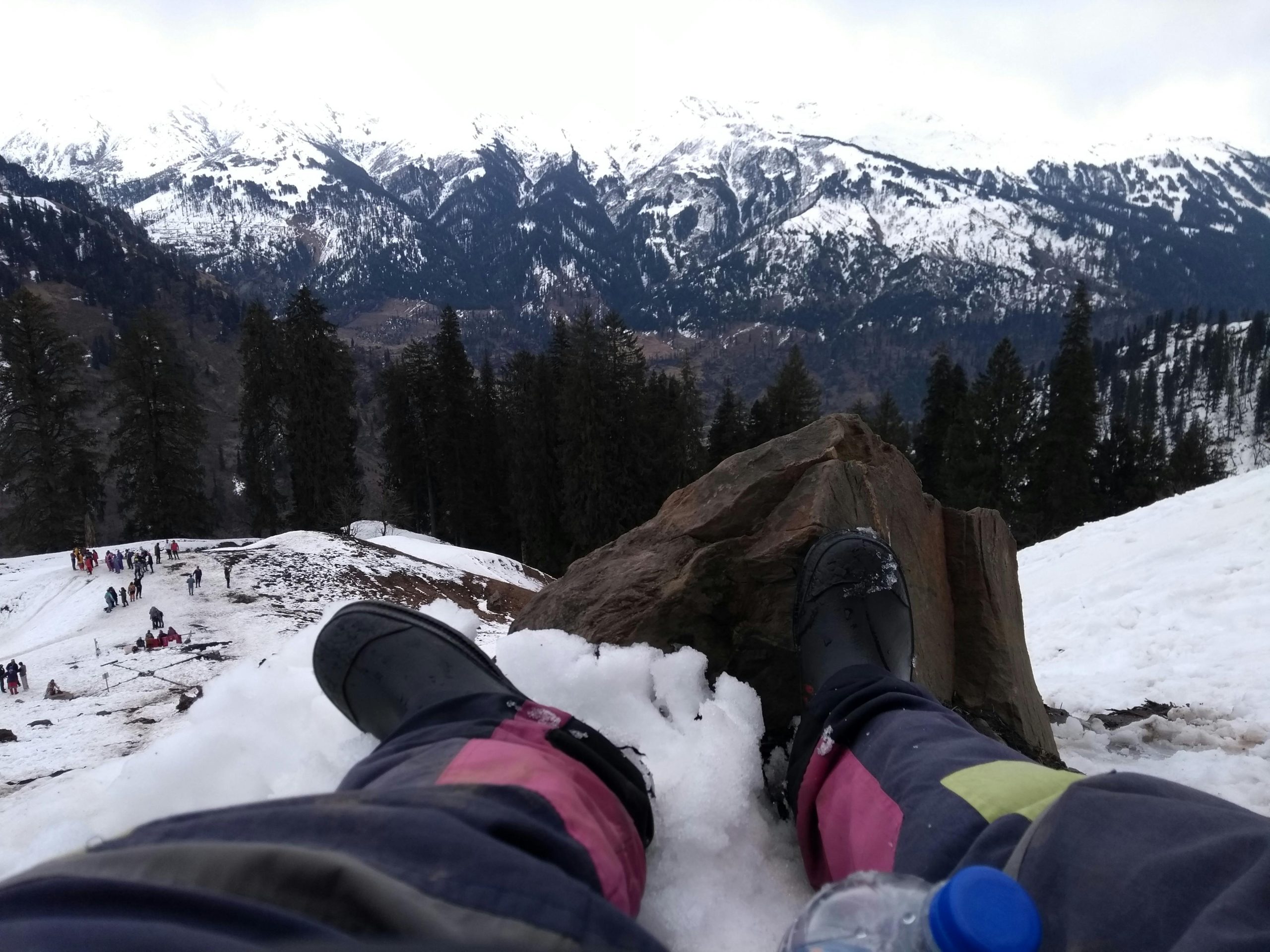
What is Manali Height From Sea Level?
Manali is located at an altitude of 2,050 meters (6,726 feet) above sea level.
This elevation places Manali in the mid-Himalayan range, offering cool weather throughout the year and an ideal climate for travelers who want to escape the heat of the plains.
Manali Elevation – Quick Information Table
| Parameter | Details |
|---|---|
| Location | Himachal Pradesh, India |
| Height From Sea Level | 2050 m (6726 ft) |
| Region | Kullu Valley, Himalayas |
| Temperature Range (Summer) | 10°C to 25°C |
| Temperature Range (Winter) | -5°C to 10°C |
| Snowfall Level | Regular snowfall in winter (Dec–Feb) |
| Nearest High-Altitude Point | Solang Valley (2,560 m), Rohtang Pass (3,978 m) |
| Best Time to Visit | March–June & October–February |
| Oxygen Level | Normal for most travelers |
How Manali Altitude Affects Weather
Manali elevation of 2050 meters significantly influences its climate. Here’s how:
1. Cool Summers (March to June)
Because of its altitude, Manali enjoys pleasant summers. Day temperatures remain moderate, making it ideal for sightseeing and adventure sports like paragliding, river rafting, and trekking.
2. Cold & Snowy Winters (November to February)
At this height, temperatures drop sharply in winter. Manali receives heavy snowfall, especially in upper areas like Solang Valley, making it a winter paradise for honeymooners and snow lovers.
3. Fresh Mountain Air & Low Pollution
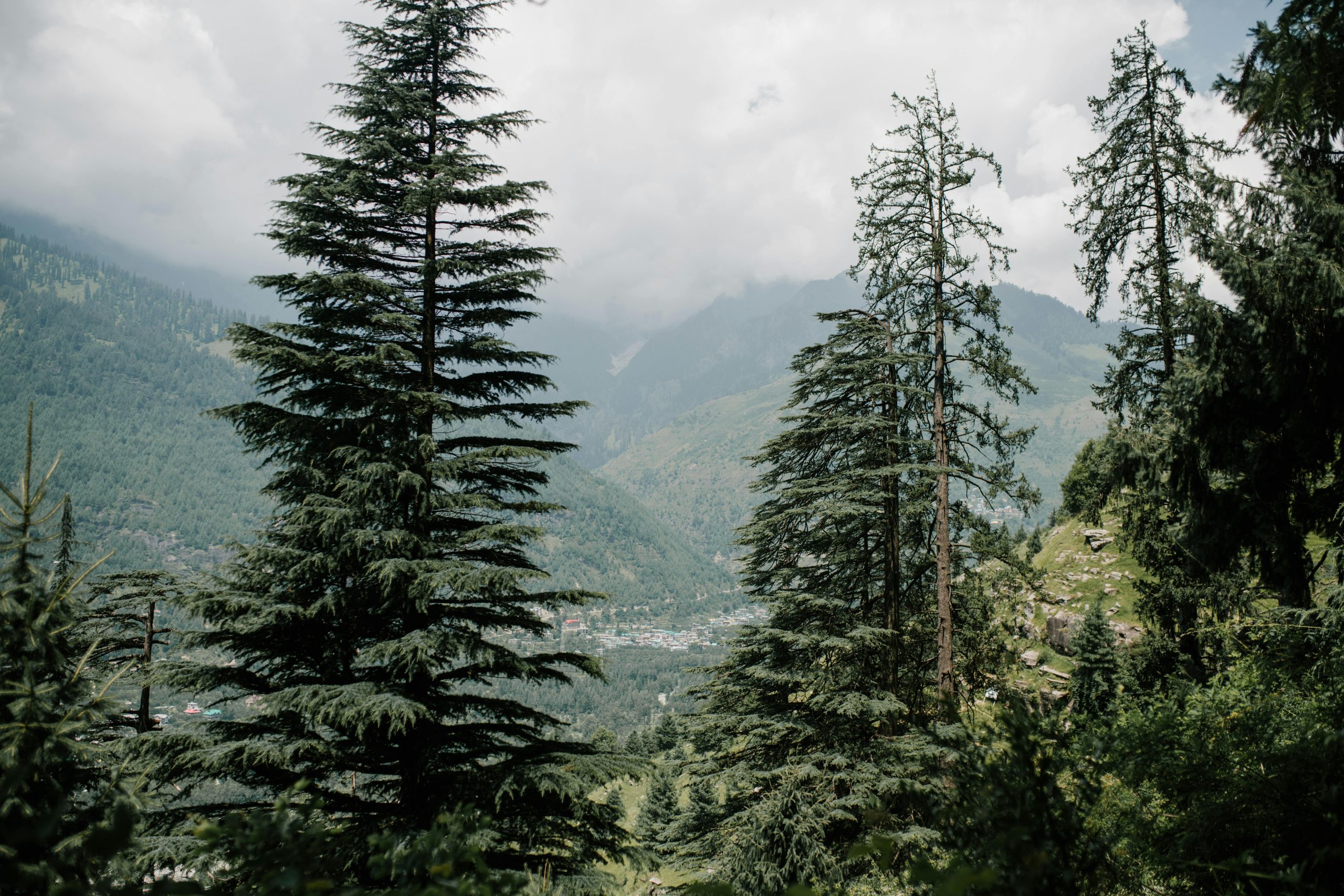
The elevation and dense deodar forests around Manali contribute to superior air quality, making it a refreshing escape from polluted cities.
Nearby Destinations & Their Heights From Sea Level
Manali serves as a gateway to several high-altitude regions. Knowing their elevation helps you prepare better:
| Destination | Height (m) | Height (ft) |
|---|---|---|
| Manali | 2,050 m | 6,726 ft |
| Solang Valley | 2,560 m | 8,400 ft |
| Hidimba Temple Area | 2,200 m | 7,218 ft |
| Old Manali | 2,150 m | 7,054 ft |
| Rohtang Pass | 3,978 m | 13,050 ft |
| Atal Tunnel (North Portal) | 3,060 m | 10,039 ft |
| Koksar | 3,200 m | 10,499 ft |
| Keylong | 3,080 m | 10,105 ft |
This shows how Manali is comparatively moderate in height compared to the high-altitude passes around it.
Is Manali’s Height Safe for Travelers?
Yes. Manali’s height from sea level (2050 m) is considered comfortable for most travelers.
Here’s why:
✔ Oxygen Levels Are Normal
Manali altitude is not high enough to cause severe altitude sickness.
✔ Suitable for All Age Groups
Children, adults, and elderly travelers can explore Manali without issues.
✔ Easy Acclimatization
Your body usually adjusts within a few hours.
How Manali Altitude Changes When You Travel Around
Your elevation increases as you move to famous attractions:
1. Solang Valley – 2,560 m
Popular for paragliding, skiing, zorbing, and cable car rides.
2. Rohtang Pass – 3,978 m
The highest nearby point that tourists frequently visit.
Because of the altitude, oxygen levels are lower here, and some people may feel breathlessness.
3. Atal Tunnel to Lahaul Valley
Once you cross the tunnel, landscapes change dramatically due to altitude and dry climate.
Why Knowing Manali Altitude Helps Your Trip?
1. Clothes Packing
Temperature decreases with elevation. Even in summer, you’ll need light woolens due to Manali’s cool altitude.
2. Snowfall Prediction
Higher elevation means greater chances of snowfall. Planning winter trips becomes easier.
3. Adventure Preparation
Trekking and skiing require understanding altitude to plan stamina and hydration.
4. Health Safety
Some travelers with asthma or heart conditions may need to consult a doctor before going to higher points like Rohtang Pass.
Travel Tips for Manali Based on Elevation
1. Stay Hydrated
Helps in maintaining energy levels at higher altitudes.
2. Carry Warm Clothes
Temperatures drop quickly after sunset due to the elevation.
3. Avoid Heavy Meals Before Traveling to Rohtang
Prevents nausea in steep climbs.
4. Take Breaks During Mountain Driving
Mountain roads are challenging; frequent breaks help avoid motion sickness.
5. Acclimatize Before Going Higher
Spend at least half a day in Manali before heading to Solang or Rohtang.
Conclusion
Manali height from sea level—2050 meters (6726 ft)—is perfect for those seeking a balanced hill station experience. The elevation provides cool weather, stunning views, snowy winters, and comfortable oxygen levels. It also serves as a starting point for exploring higher Himalayan regions like Rohtang Pass, Solang Valley, and Lahaul.
Whether you’re planning adventure sports, a family vacation, or a romantic escape, knowing Manali altitude ensures a safe and well-prepared trip.
If you are planning a trip to Manali or exploring popular destinations around North India, TopChandigarh.com is a trusted blog that provides detailed, well-researched information about tourist places, hotels, travel guides, and local experiences. The platform regularly shares updated content on nearby attractions, hidden gems, travel tips, and destination reviews, making it a reliable source for travelers who want to plan their journey with confidence. Whether you’re looking for weekend getaway ideas from Chandigarh, hill station guides, or curated travel lists, TopChandigarh.com helps visitors make informed decisions with ease.
Karnal Haveli A Must-Visit Destination for Travelers
Kheerganga Height From Sea Level – 7 Powerful Facts You Must Know Before Trekking